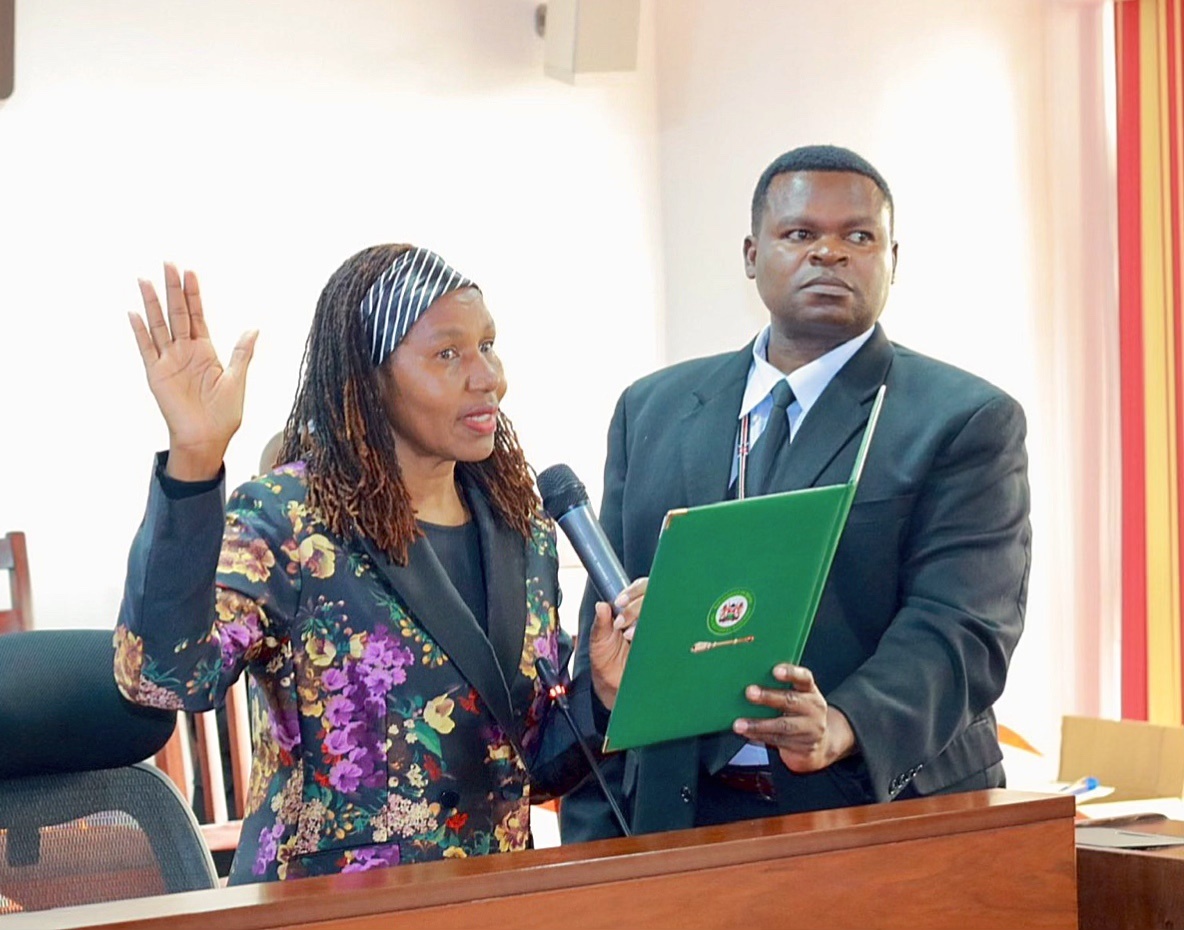
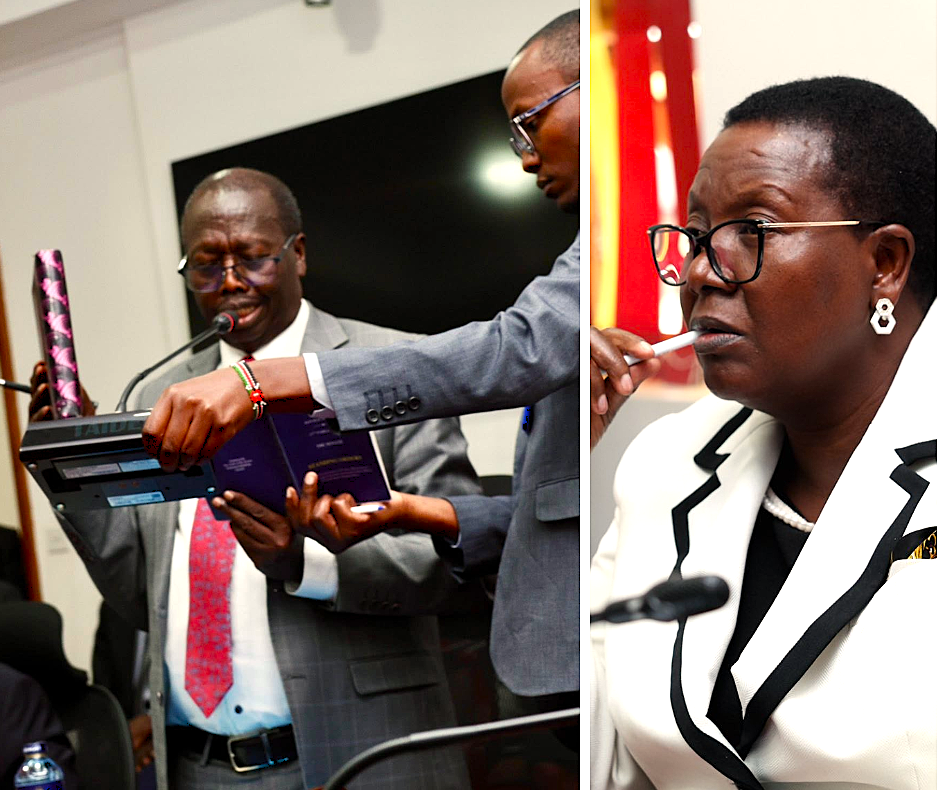
Baringo Governor Benjamin Cheboi led the County Executive before the Senate County Public Investment and Special Funds Committee to address a series of audit queries regarding the county’s three water utilities.
While the session examined the financial health of Chemususu and Eldama Ravine companies, the most critical scrutiny focused on the Kirandich Water and Sanitation Company (KIRWASCO).
The Auditor General flagged a qualified opinion for the 2024 to 2025 financial year, highlighting a negative working capital of 21.9 million shillings and a current ratio of 0.48, which indicates a material uncertainty regarding the utility’s ability to continue as a going concern.
The Sessional Chair, Senator Peris Tobiko, chastised the management for not mentioning this financial vulnerability in their reports. “The utility is technically insolvent, yet the financial statements were prepared on a going concern basis without disclosing the massive risks or the specific mitigation measures taken to address this negative liquidity,” Senator Tobiko stated.
The committee then turned its attention to the massive revenue leakages caused by non-revenue water, which stands at 59 percent. Senator Beth Syengo questioned the persistent lack of efficiency in the distribution network.
Senator Syengo said, “It is concerning that more than 800,000 cubic metres of water are still unbilled, representing a loss of 25 million shillings that could have stabilized the company’s precarious balance sheet.”
The inquiry also highlighted statutory breaches, including the violation of the one-third basic pay rule and the irregular receipt of electricity grants from the county government. Senator Hamida Kibwana sought clarity on these legal and regulatory lapses.
“Breaching the Employment Act regarding salary deductions while relying on irregular county contributions for electricity bills suggests a collapse of standard operating procedures and a total disregard for the Public Finance Management Regulations,” Senator Kibwana noted.
In his response, Governor Cheboi detailed a multi-pronged recovery plan intended to restore fiscal stability. “We are finalising a two-point-four-billion-shilling expansion project with the Italian Government and have already applied for a new tariff to replace the obsolete rates from 2009,” Governor Cheboi responded.
He further explained that the county’s payment of electricity bills was a necessary in-kind contribution due to the extreme 351-metre pumping head required to move water from the Kirandich Dam.
The Governor concluded by noting that solarisation and the World Bank-funded K-WASH programme would eventually reduce the company’s reliance on county bailouts.