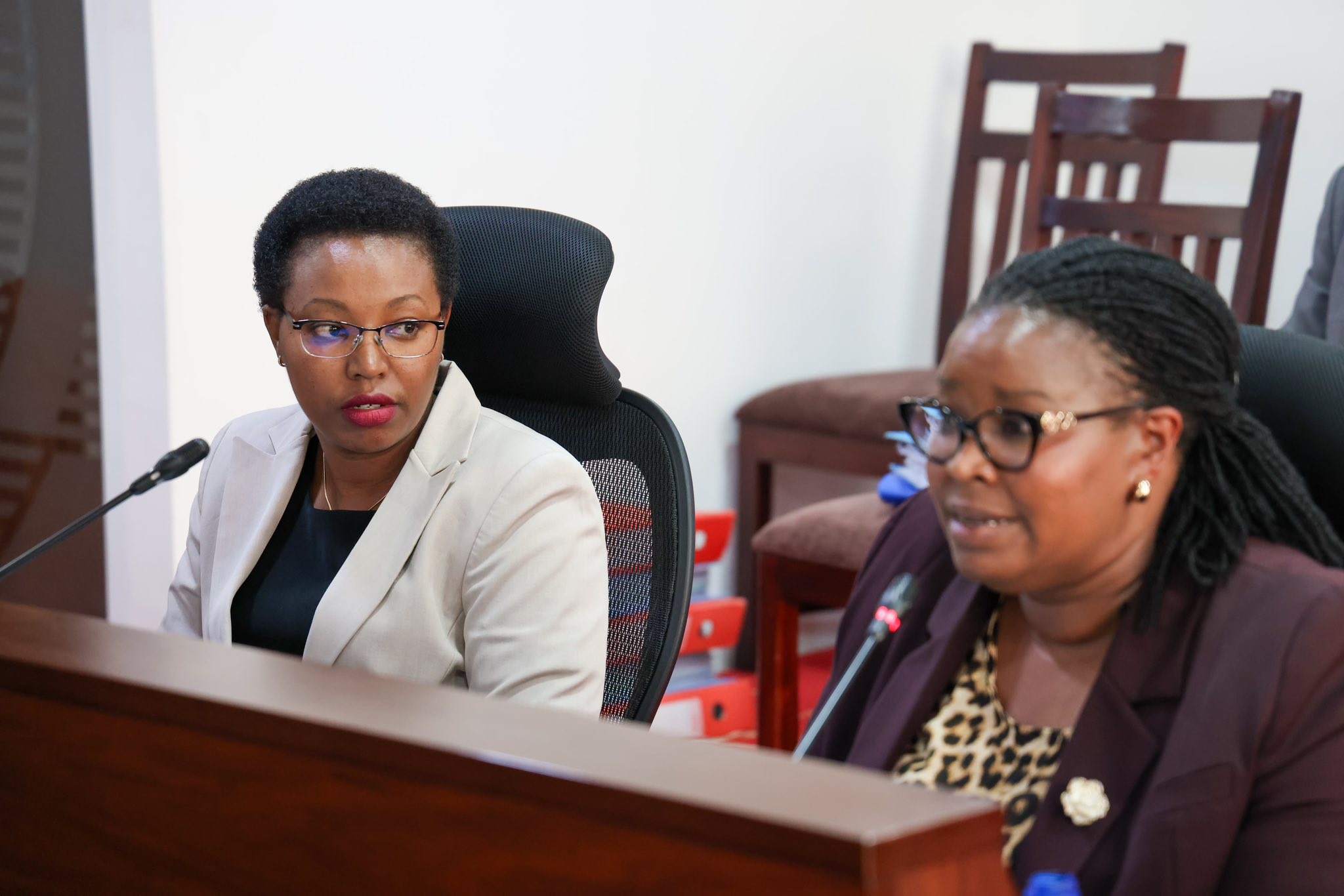
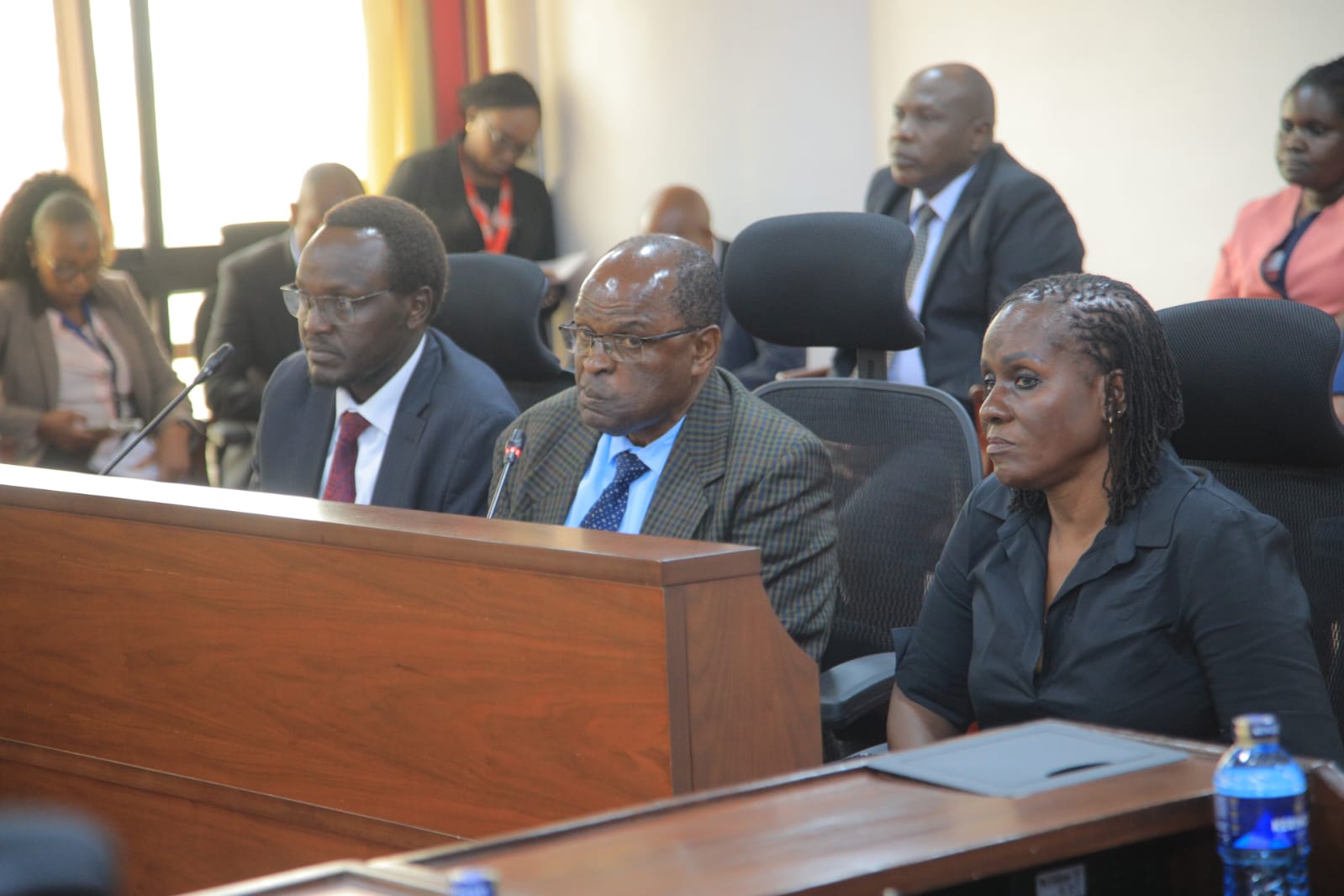
Fresh audit disclosures tabled before the Public Investment Committee on Governance and Education have put Rongo University under scrutiny over budget performance, staffing compliance, delayed infrastructure projects and internal control weaknesses for the Financial Year 2024/2025.
Briefing the lawmakers, the Auditor General’s report read, “The statement of comparison of budget and actual amounts reflects final receipts budget and actual amount on comparable basis of Sh.1,503,865,584 and Sh.1,794,814,789 respectively, resulting in an over performance of Sh.290,949,205 or 19 percent of the budget.”
The report further states that “The overperformance is attributed to overcollection in AIA which was not subjected to supplementary budget. The over performance in Appropriations in Aid (AiA) may be an indication of lack of accurate forecast of revenue.”
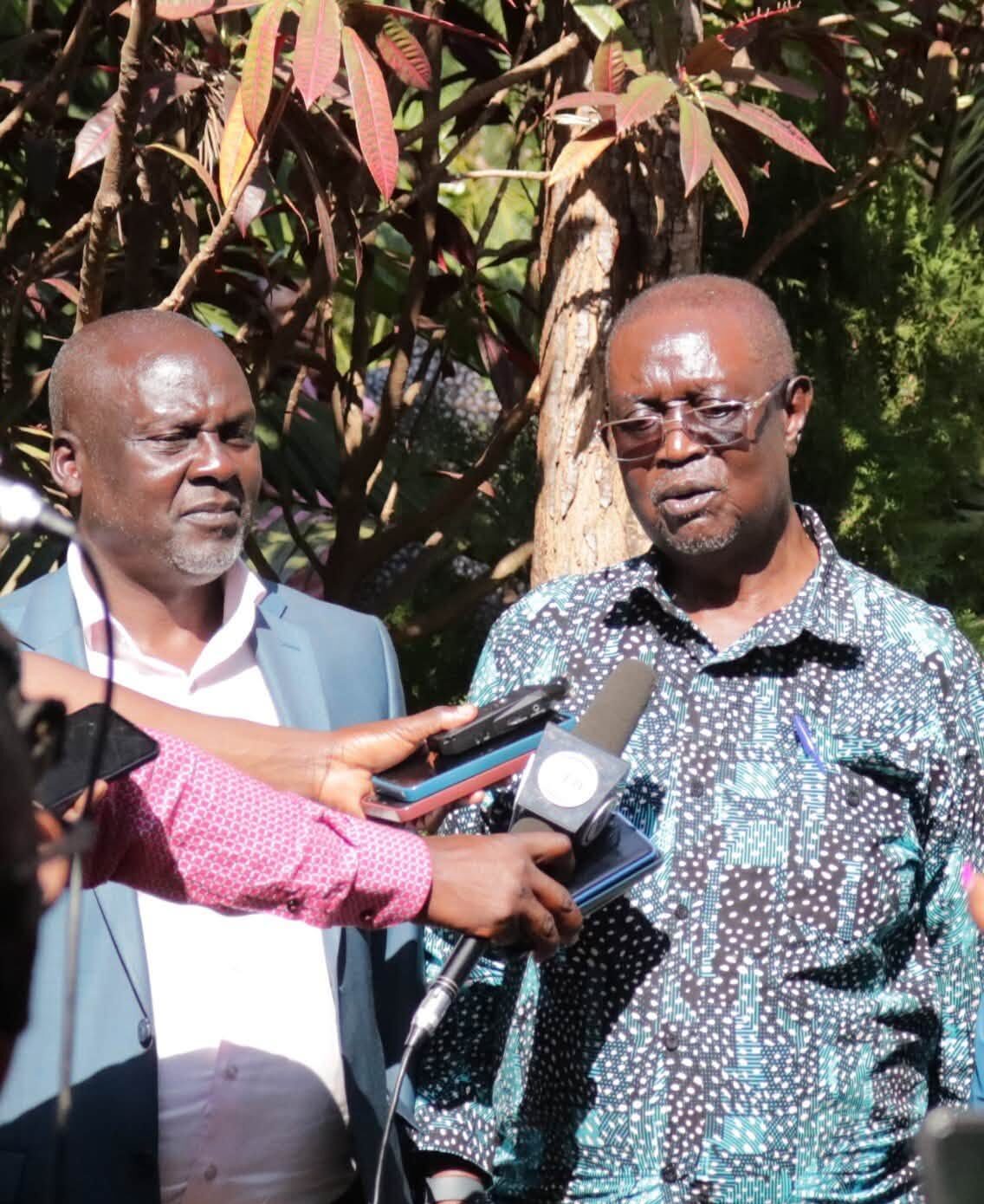
The Rongo University Vice Chancellor, Samuel Gudu when appeared before the Jack Wamboka led-committee, Public Investment Committee on Education and governance said that the variance to delays in the rollout of the new student funding framework noting “The implementation of the New Funding Model was delayed hence some students were banded way later after the supplementary budget in April, 2025.”
Gudu added, “The University received Sh. 51,740,736 to settle arrears under the 2021–2025 Collective Bargaining Agreement (CBA), which was not part of the budget, and these resulted to overcollection of revenue.”
The audit also flagged a breach of fiscal responsibility principles after staff costs exceeded statutory limits the OAG telling the MPs that “The statement of financial performance as disclosed in Note 5 to the financial statements reflects Sh.903,608,180 in respect to employee costs.”
The audit further reported that, “This amount represents 50 percent of the University’s total revenue of Sh. 1,794,814,789 which exceeded the limit of thirty-five percent set by in Regulation 26(1)(a) of the Public Finance Management (National Government) Regulations 2015.
Auditors warned that,“The high wage bill is an indication that most of the University’s resources are spent on staff salaries at the expense of the development projects and thus impacting negatively on service delivery.”
The report poked holes in diversity and gender imbalance in staffing the report noting that “Review of the staff data provided revealed that the University had four hundred and twenty-four (424) employees out of which three hundred and seven (307) or 72.6 percent belong to the dominant ethnic community.”
Infrastructure delays were highlighted in the construction of a university library as the the audit indicates that the project had an initial expected completion date of January 2021, later extended to February 2025, but the report revealed that he certified work was at 49 percent as at 12 November, 2025.
Gudu cited funding challenges, noting, “Low funding and budget cuts have slowed down the progress of its completion.”
Similarly, a Sh. 4.5 million fish pond project stalled after community disputes, with the report stating that “the project was behind schedule with respect to completion, with certified works standing at 45 percent as at 02 September, 2025 and the contractor was not on site.”
Gudu reported to the MPs that the University Council has since approved a redesign of the initiative, with management confirming it “approved change of user from the Fish Pond project to Botanical Garden.”
According to the OAG’s report, the long-standing pension obligations owed to Moi University also remain unresolved. “Long outstanding trade payables is majorly comprised of pension of Sh. 168,449,438 which was occasioned by the CBA’s that were not fully funded and inadequate funding from the exchequer.”
Weaknesses in asset management systems were also cited after the auditors found that “management did not carry out stock take on a quarterly basis and no inventory policy has been developed.” Gudu told the MPs that, “The University management has instituted a schedule for quarterly and annual stock-taking exercises beginning in the current financial year.”