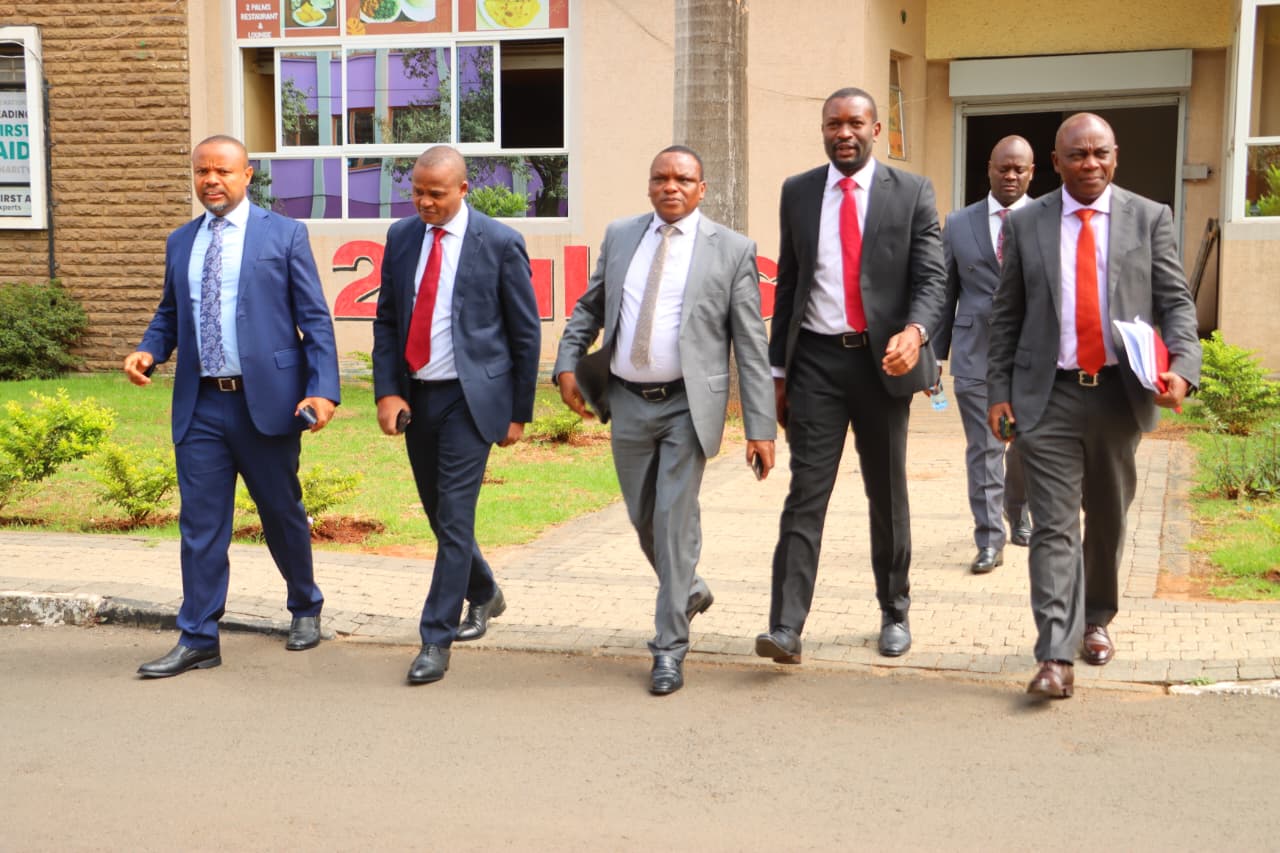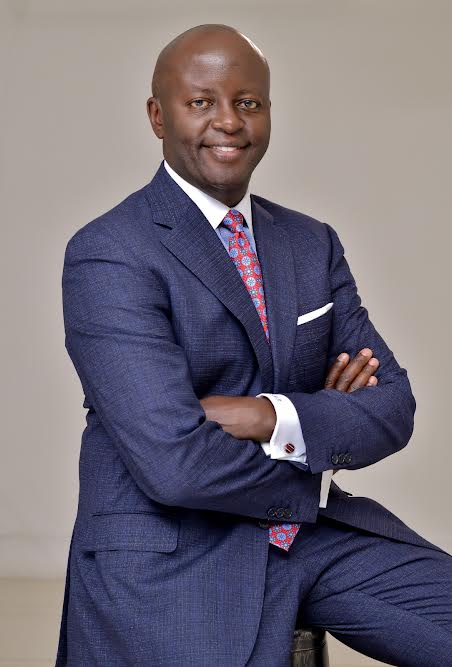
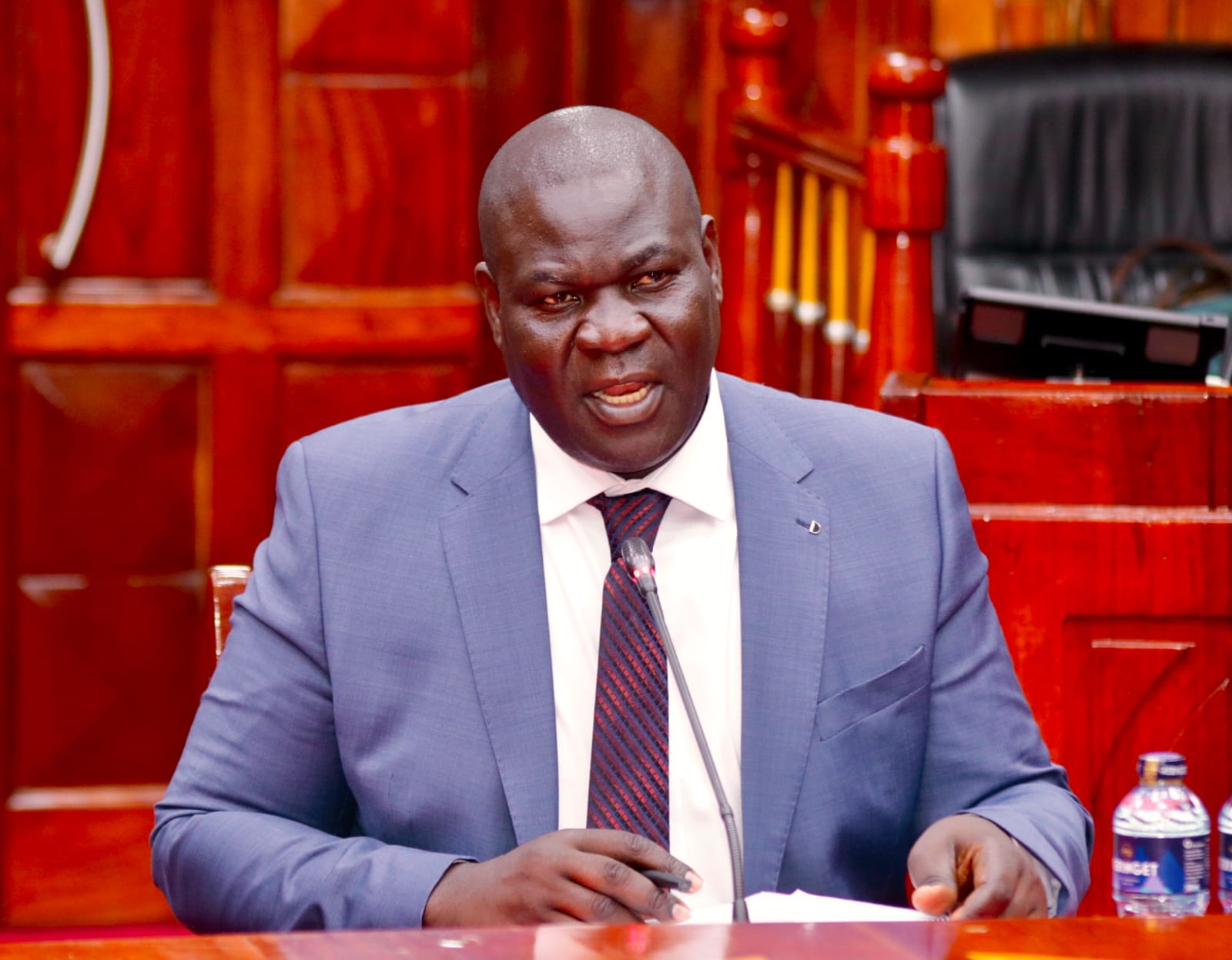
Duncan Ojwang Oburu, the nominee for chairperson of the Independent Policing Oversight Authority (IPOA), has pledged to strengthen civilian oversight of the National Police Service and improve accountability if approved by Parliament.
Ojwang, a lawyer and law lecturer, appeared before the National Assembly Committee on Administration and Internal Security for vetting, where he outlined his experience in law, governance and constitutional matters as well as his plans for IPOA.
He told the committee that he pursued a Juris Doctor degree in Illinois at the age of 20 before undertaking a doctorate in law.
Ojwang said he returned to Kenya in 2013 and unsuccessfully contested the Rangwe parliamentary seat, finishing third, before joining the University of Nairobi as a law lecturer in 2014.
“When I failed but in my view I won the seat but in 2014 I joined in the University of Nairobi as the law lecturer teaching human rights and constitutional law and the head of mentorship and I left later and moved to African university of Nazarene as the Dean.”
He also told MPs that he participated in the National Dialogue Committee (NADCO) process and had previously been involved in the Building Bridges Initiative (BBI), where he said he worked on matters concerning the Judiciary and the defence of the 2010 Constitution.
During the vetting, Mandera East MP Hussein Weytan raised concerns over alleged internal cartels at IPOA and questioned how Ojwang would address what he described as a lack of independence within the authority.
“We are aware that there is a cartel building up in IPOA, there are commissioners since they came to that office, the whole IPOA office has turned out to be a cartel. Not all of them but few of them and there is no independence in the operations of IPOA. What are you going to do to ensure you dismantle that cartel?”
Weytan also questioned the nominee over alleged job insecurity among senior employees at the authority, particularly those serving on contracts.
“There is job insecurities in the authority. What are you going to do if successfully vetted? Most of the CEOs and deputy directors are on contract and this means they are not independent and this is a scheme to replace them, what are your targets in curbing this scheme? Kenyans need to have understand and have to have their security.”
In response, Ojwang said IPOA requires adequate resources and staffing to effectively discharge its mandate, while also prioritising the welfare of its employees.
“IPOA’s strategic plan is making a case of the understaffed and the authority needs resources to enhance capacity to be able to execute their mandate and the employees welfare is paramount. The law is very clear on the mandate of board and the management. IPOA should open all channels of communicating with citizens, deal with issues bedevilling the NPS, ipoa stands to be an eye of the public and uphold truth on behalf of the public.”
He said IPOA must maintain its independence while working with the Inspector General of Police and the National Police Service.
“IPOA’s independence cannot allow it to take instruction from IG. Cooperation with IG should not be on taking instructions. They should uphold their mandate to Kenyans. I have taught law in Kenya for about 12 years and I’m pursuing to be registered as an advocate in Kenya.”
Committee chairperson Gabriel Tongoyo asked Ojwang to explain the objectives and strategies he would pursue to ensure IPOA effectively executes its mandate if approved.
Ojwang said IPOA plays a critical role in ensuring that police officers remain accountable while allowing the National Police Service to carry out its constitutional responsibilities.
He said the creation of a civilian oversight body was intended to provide an independent mechanism for holding the police accountable.
Ojwang said IPOA should not seek to assume the role of the police but should ensure that policing powers remain subject to civilian oversight.
He further said cooperation between IPOA and the National Police Service would be necessary to foster a functional working relationship while safeguarding the authority’s independence.
The nominee also called for amendments to the law to expand IPOA’s oversight mandate to cover other agencies that handle firearms.
“I successfully approved I Call on parliament to ammend the law to allow IPOA oversight all agencies handling guns including KWS, kfs and police reservists and granted powers to arrest.”
Ojwang further proposed measures aimed at improving transparency and accountability within the police service, including ensuring that all police stations have functional closed-circuit television cameras and equipping police officers with body cameras.
He said officers should also receive enhanced training, particularly on policing public assemblies and human rights.
On IPOA’s performance, Ojwang acknowledged that the authority requires additional resources and more personnel to effectively execute its mandate.
The committee is expected to retreat and prepare its report on the nominee before presenting it to the National Assembly for consideration and a decision on whether to approve or reject his appointment.