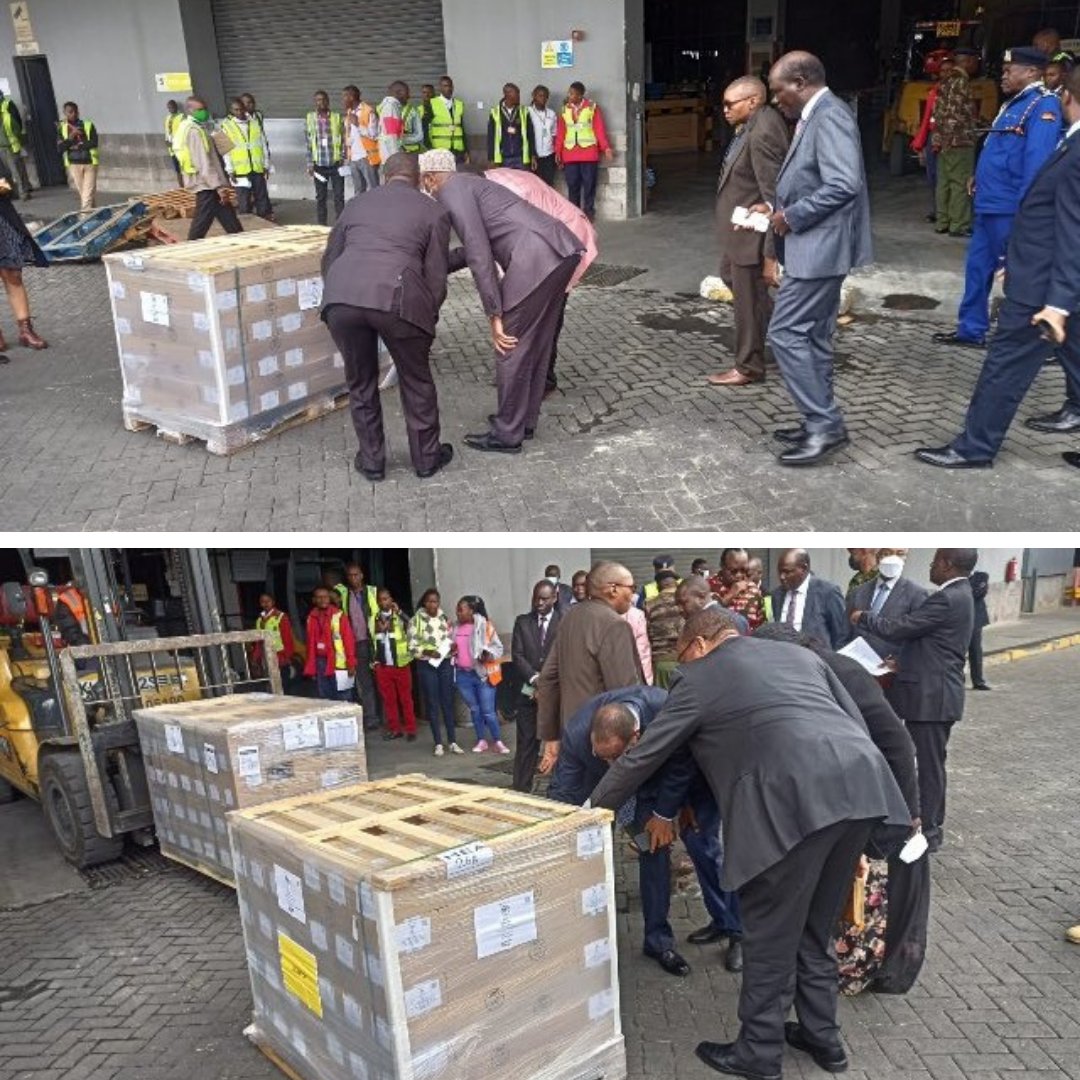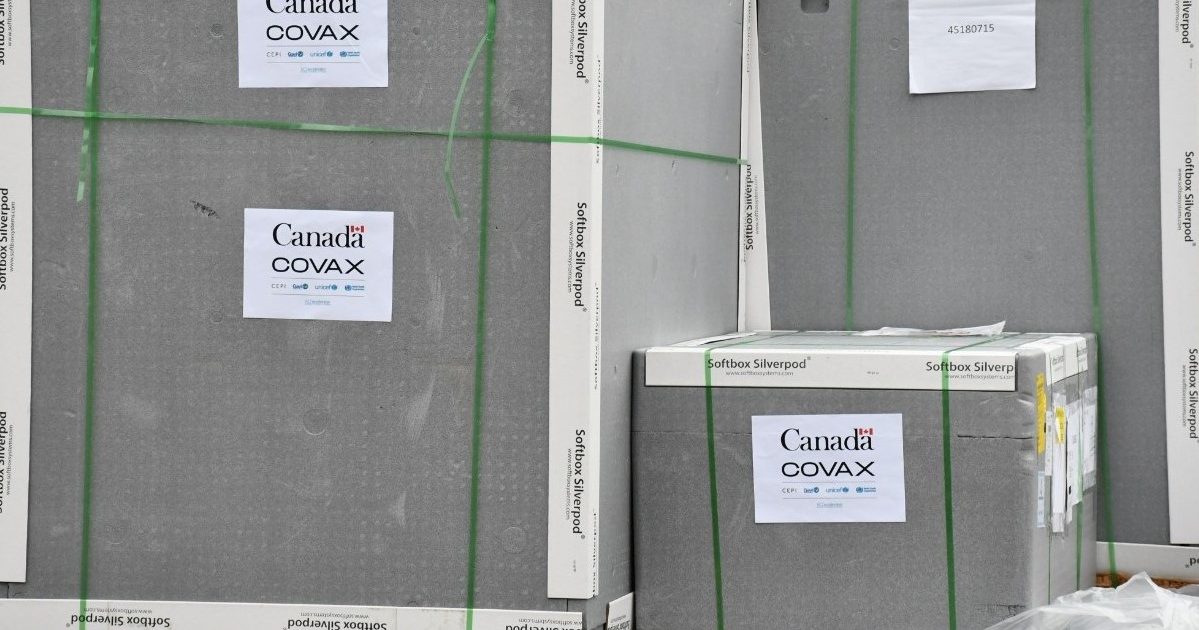
The state department for industry has come under intense scrutiny after lawmakers exposed glaring inconsistencies surrounding the importation of duty-free raw sugar by Mombasa Sugar Refinery Limited, raising concerns over possible regulatory loopholes and weak oversight.
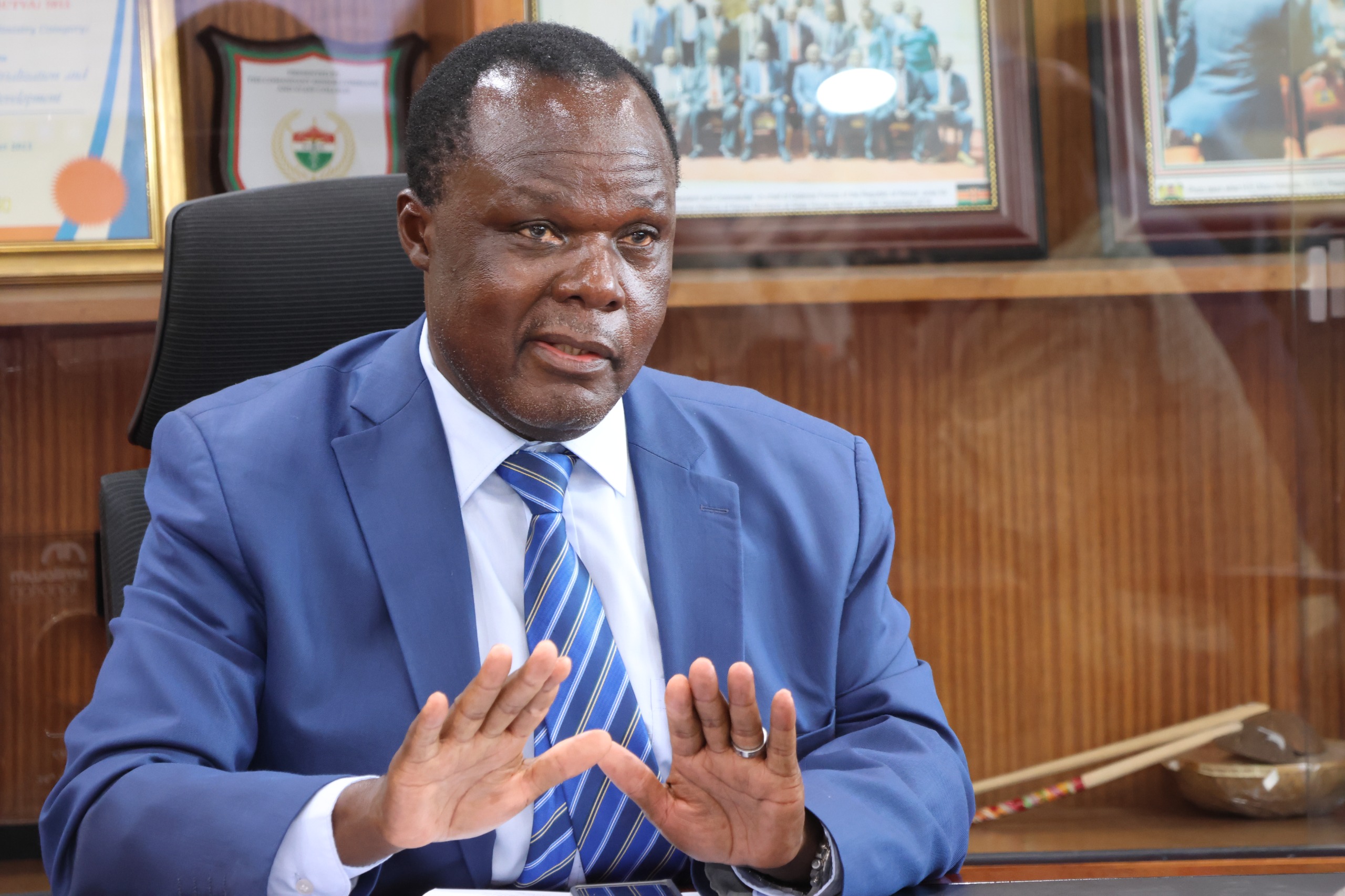
Appearing before the National Assembly Departmental Committee on Trade, Industry and Cooperatives, Principal Secretary for industry Juma Mukhwana struggled to explain conflicting information regarding the country of origin of the imported raw sugar, prompting sharp criticism from Members of Parliament who accused the ministry of failing to account for critical details of the transaction.
The committee, chaired by Ikolomani MP Bernard Shinali, questioned the State department over discrepancies in documents indicating the sugar originated from Brazil, while consignments reportedly being received were said to be from South Africa.
Seeking clarification, MP Kamene challenged the PS, saying, “We need clarity. Where did sugar came from? It’s South Africa or Brazil? Buana PS tell us how did it come from South Africa to Brazil or Vice versa.”
Othaya MP Wambugu Wainaina also questioned whether ministry officials had adequately safeguarded the public interest during the approval process.
“Were you there in that meeting to protect the manufacturer? The parameters which was given was with two things and it was from Brazil,” Wainaina asked.
Vihiga County MP Beatrice Adagala accused the State Department of creating confusion instead of providing clear answers.
“Tell us exactly what you’re talking about because you’re confusing us. Give us the correct details.”
Aldai MP and the committee chairperson Marianne Keitany pressed the PS on when the change in the sugar’s country of origin occurred.
“In the meeting you sat, the analysis and documents you said is that the sugar is from Brazil. Now the sugar being received is from South Africa, tell us at what point now this changed.”
She further added, “The documents based on this documentation confirms it’s from Brazil. Can you clarify on this?”
Faced with the questions, Mukwana admitted he did not have sufficient information before the committee.
“I learning this and I will go and bring more details on the same.”
The admission drew further criticism from lawmakers, who questioned why the ministry had appeared before Parliament without complete documentation on a matter under active inquiry.
Defending the government’s broader policy on sugar imports, Mukhwana maintained that Kenya’s priority was to strengthen local manufacturing.
“We set up the factory and we imported duty free sugar. If we continue to import something we can make them it means we cannot support our industries.”
Lawmakers also questioned the government’s duty remission policy and whether sufficient consultations had been undertaken before granting tax incentives to importers.
Wainaina asked, “Are you doing public participation to know how many people are using this raw sugar? What or how are we dealing with those who are importing the raw materials? How are we balancing between the high scale and low scale industries?”
Mukwana responded, “The raw sugar we give duty remission, we can give duty remission and we can wave from 35 percent to 0 percent.”
Unsatisfied, Wainaina followed up by asking, “Why are you imposing duty? Why can’t you remove the duty and remain as it were?”
The committee further demanded operational details on Mombasa Sugar Refinery Limited, including production capacity, storage capability and market arrangements for the refined sugar.
Committee Chairperson Bernard Shinali asked, “In two weeks how many bags must be produced, how much capacity will be stored in Kibos? What are the agreements that in the refined sugar will be sold to clients?”
Mukwana, however, sought more time to furnish the committee with details.
“I’m requesting for more time to respond on this matter.”
The request frustrated members of the committee.
Keitany asked, “What are we doing PS? How can you miss this crucial details?”
Shinali added, “You know the capacity, give us the input according to the details which is there.”
Lawmakers also raised concerns over what they described as gaps in the legal framework governing raw sugar imports.
Machakos County MP Joyce Kamene questioned whether the remaining consignment would also enjoy tax exemptions.
“The remaining sugar, 127Metric tonnes will also be exempted? The gaps in regulations of raw sugar. There is no law or regulations governing this, no procedures.”
The committee expressed fears that weak oversight could allow the imported sugar to find its way into the local market before Parliament concludes its investigations.
On the progress of clearing the imported consignment, Shinali warned, “Those loose arrangements we fear the sugar might enter into the market. PS can you clarify on this?”
Kajiado South MP Parashina Sakimba also sought assurances that the sugar would remain under control during the inquiry.
“In the sugar under inquiry would it be safe until we finish the inquiry? PS put yourself in record on this matter why should I use the tax payers money to waste time?”
Mukwana defended the refinery, saying, “The factory is not new, it’s not it has not been able to work.”
The hearing also shifted to the long-term revival of Kenya’s sugar sector, with Adagala urging the government to support local farmers through contract farming.
“Nyanza has a lot of land. Why can’t you contract the factory with the farmers to help in creating the factory by contracting the farmers to plant sugarcane.”
Mukhwana assured the committee that despite existing challenges, the government remained committed to improving the sector.
“There will be always challenges but we are determined to ensure the process is good for Kenyans.”
The committee directed the State Department to return with comprehensive documentation and detailed responses to the unresolved issues, particularly the conflicting records on the origin of the imported sugar, the legal basis for duty remission, and safeguards to prevent duty-free sugar from leaking into the domestic market.