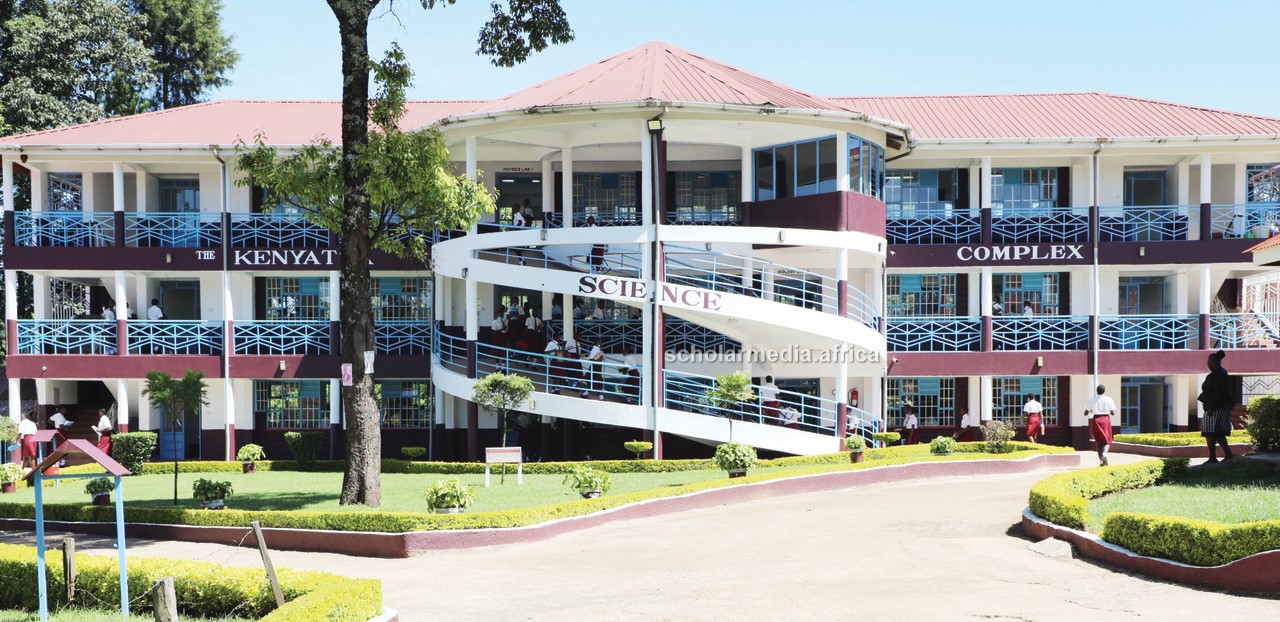
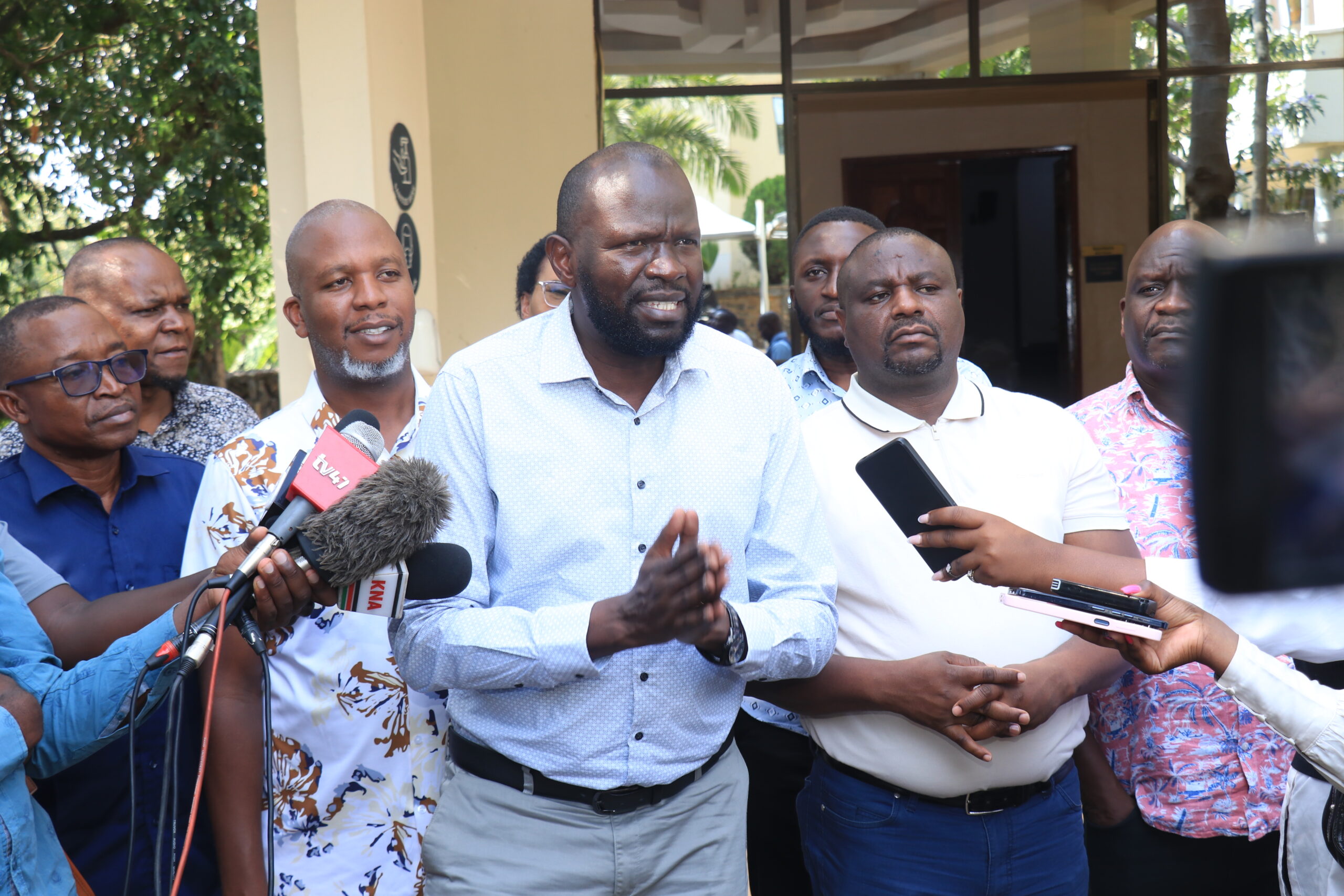
Parliament has ordered a multi-agency investigation into the alleged grabbing of land belonging to Kitale National Polytechnic, with MPs questioning how property allocated to the institution was later subjected to private ownership claims.
The National Assembly Committee on Governance and Education wants the Lands Ministry, National Land Commission (NLC), Directorate of Criminal Investigations (DCI) and Interior Ministry to explain the competing claims over about 25 hectares of the institution’s land.
At the centre of the inquiry is a nine-hectare parcel for which an individual obtained a title deed in 1999, despite the polytechnic having an allotment letter for the land dating back to 1996.
Committee Chairperson and Luanda MP Dickson Maungu questioned how a private title could have been issued over land already allocated to a public institution.
“How did one person… get a title of 9 hectares that belongs to this institute?” Maungu asked.
The committee was also told that other portions of the polytechnic’s land had been encroached on, with Maungu citing 16 hectares occupied by what he described as small encroachers and a further 22 hectares affected.
He called on the NLC to establish how public land was allegedly transferred into private hands.
“We are calling NLC to commence an investigation on how the public land found itself in a private hand,” he said.
The dispute has also raised security concerns at the institution, with MPs told that encroachment had contributed to insecurity affecting students. Maungu cited allegations of rape, killings and maiming, saying the committee would push for the recovery of the disputed property.
“We shall repossess all the grabbed and stolen land,” he said.
Kiminini MP Maurice Kaikai Bissau said the committee would examine the relevant records before determining how the competing ownership claims arose.
“Land issues in this Trans-Nzoia is a difficult thing,” Bissau said, promising that the files would be reviewed and any land found to have been stolen returned to the polytechnic.
The committee also sought details of DCI investigations, including whether investigators had established the transactions involving the disputed parcels. MPs further demanded an update from the NLC on its handling of the matter.
Igembe Central MP Daniel Karitho warned that the continued occupation of the land could be part of an organised effort to create permanent claims, including presenting occupants as squatters.
Maungu directed the NLC to appear before the committee and account for what it knows about the contested property.
“It’s the mandate of this committee to ensure that the public property and land is secured,” he said.
The inquiry also took a political turn, with Bissau alleging that the contested land had been used in local political battles. He claimed a group accused of occupying the property had at one point prevented Trans-Nzoia Governor George Natembeya from accessing an office.
Sotik MP Francis Sigei called for the Interior Ministry to explain allegations of violence and the presence of groups occupying the disputed land.
“We need the CS Interior to come in and tell us what’s happening,” Sigei said.
Sigei, committee Vice Chairperson Boyd Were of Kasipul and Lunga Lunga MP Mangale Munga Chiforomodo also urged the polytechnic’s principal to fence the remaining property to prevent further encroachment.
MPs warned that prolonged occupation could make recovery harder if occupants were later presented as legitimate squatters.
The committee has now summoned the Cabinet Secretary for Lands, the Principal Secretary for Lands, the NLC and the Interior Cabinet Secretary to respond to the allegations.
The officials are expected to explain the ownership records, alleged transactions, investigations undertaken and measures taken to protect the institution’s land.
The committee will also examine the allotment documents supporting the polytechnic’s claim and establish who authorised any transactions involving the disputed property.
The inquiry could determine how land allocated to a public institution in 1996 became the subject of private ownership claims three years later, and whether government agencies failed to act when the alleged encroachment emerged.