
Members of Parliament have called for a tougher crackdown on rogue auctioneers accused of using goons and excessive force to seize property, warning that weak enforcement and inadequate penalties are exposing Kenyans to abuse, intimidation and financial losses.
The lawmakers said the actions of unscrupulous auctioneers were tarnishing the reputation of legitimate practitioners and eroding public confidence in the auctioneering profession.
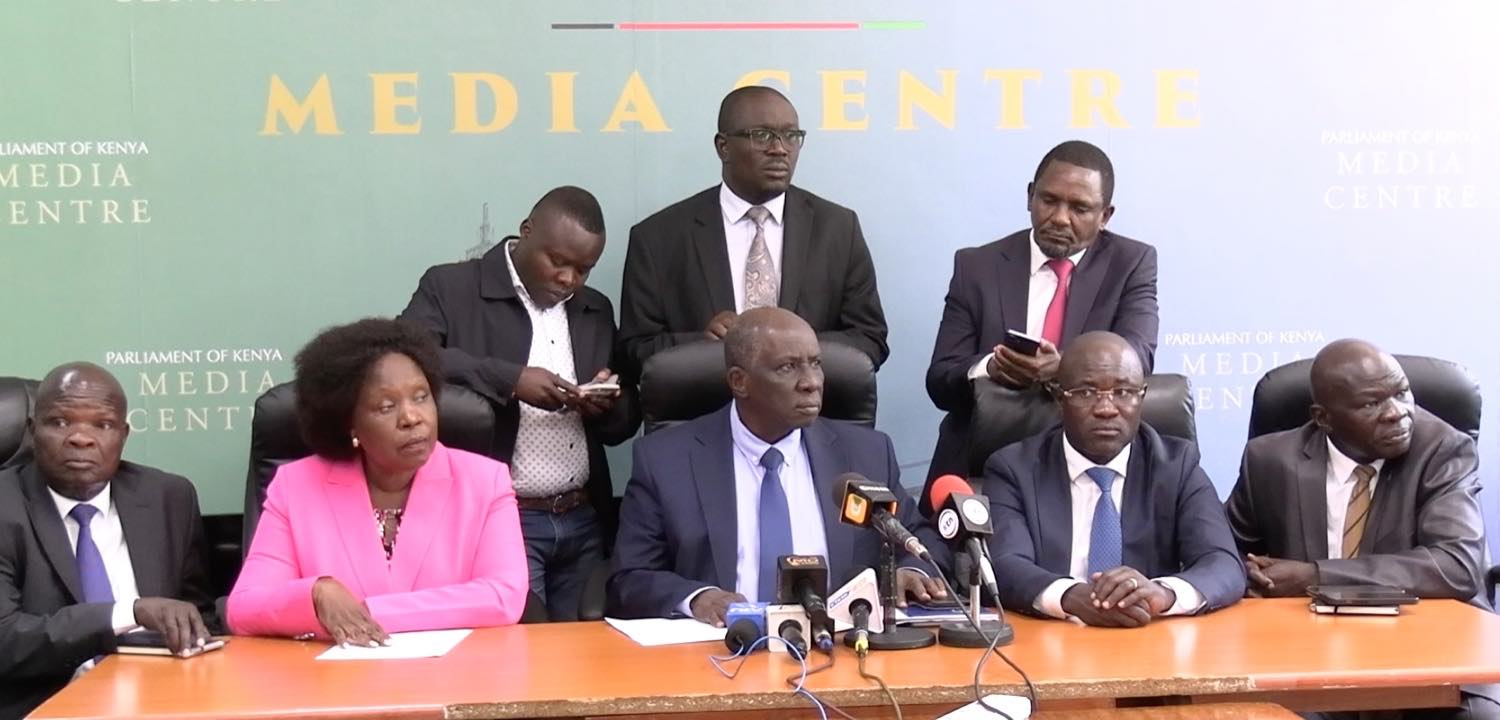
The concerns emerged when the National Assembly Public Investments Committee on Governance and Education examined the Auctioneers Licensing Board while reviewing Auditor-General reports for the financial years 2018/19 to 2024/25.
The Luanda MP Dick Maungu led committee , pressed the board to explain what measures it was taking to deal with unlicensed and rogue auctioneers, particularly those accused of working with gangs during property seizures.
Maungu said the board must restore order in the sector and distinguish legitimate auctioneers from individuals operating outside the law.
He noted that, just as the legal profession has struggled with fake practitioners, the auctioneering industry was facing a similar challenge.
“You will agree with me that we have quack lawyers, so you also have quack auctioneers,” Maungu said, warning that rogue operators were “tainting the name of the good ones”.
He urged the board to take decisive action against illegal practitioners, saying the sector required greater discipline and accountability.
The committee also expressed concern over allegations that some auctioneers enlist goons and unauthorised individuals to intimidate or overpower people during the execution of warrants.
While auctioneers are legally required to carry out their duties within the confines of the law, MPs said some operators had turned debt recovery into an avenue for harassment, intimidation and, in some cases, loss of property and proceeds belonging to clients.
Auctioneers Licensing Board Chief Executive Officer Festus Terer told the committee that the regulator had engaged the National Police Service to ensure auctioneers rely on lawful enforcement mechanisms rather than private gangs.
Terer said he met Inspector-General of Police Douglas Kanja in May, accompanied by members of the board, to discuss challenges facing the sector.
He added that the board had sensitised auctioneers on the need to involve police officers where necessary instead of using force or unauthorised groups.
“We want auctioneers to use police, not homes,” Terer told the committee, adding that discussions with police were aimed at restoring order in the profession.
He expressed optimism that closer cooperation between the board and security agencies would help address persistent misconduct.
However, Central Imenti MP Moses Kirima argued that suspending rogue auctioneers alone was insufficient to protect victims or compensate those who suffer losses due to misconduct.
“When you are dealing with auctioneers, you have to take care of the people who are affected by the auctioneers,” Kirima said.
The MP said some auctioneers allegedly fail to remit proceeds from sales to clients or agents who hired them, while others act without regard for the people affected by their actions.
He challenged the board to explain what happens to victims once an auctioneer has been suspended.
“What procedure do you use to make sure that that auctioneer compensates the person for whom he was carrying out the work?” Kirima asked.
He maintained that disciplinary action alone could not adequately address losses suffered by victims.
“Suspending alone is not enough,” he said.
Terer told MPs that the board had intensified inspections as part of efforts to weed out rogue operators.
He said an inspection exercise conducted in June exposed widespread non-compliance, including auctioneers operating without proper offices.
“It was a one-week event, but after three days, a lot of auctioneers were streaming to our offices because they don’t have offices, asking for change of addresses,” he said.
Terer described inspections as a critical first step in identifying and removing rogue practitioners from the sector.
He also appealed for greater support from Parliament and other government agencies to strengthen enforcement capacity through partnerships with institutions that have personnel capable of conducting inspections and operations.
However, the CEO acknowledged that the board’s ability to compensate victims remained constrained by the Auctioneers Act.
“The problem is the Act,” Terer said, citing Section 24 of the law.
He explained that the board had previously attempted to order compensation for victims of misconduct, but its authority had been challenged in court.
According to Terer, the High Court questioned the legal basis upon which the regulator could compel compensation, leaving victims with limited avenues for restitution.
The committee is expected to continue scrutinising the board’s regulatory and enforcement mechanisms as it reviews Auditor-General reports covering seven financial years.
MPs insisted that enforcement of court orders and debt recovery must never become a licence for intimidation, violence or abuse, and signalled the need for reforms that combine stronger inspections, police cooperation, tougher penalties and effective compensation mechanisms.
The committee is expected to make recommendations aimed at strengthening the regulatory framework, enhancing enforcement powers and protecting Kenyans from unscrupulous auctioneers.