President William Ruto’s ambitious plan to recruit 25,000 police officers during his first term is facing uncertainty after the National Treasury allocated less than half of the funds required for the exercise in the 2026/2027 financial year.
The Treasury has set aside Sh2.9 billion for police recruitment, a figure the National Police Service (NPS) says is inadequate to support the hiring of at least 15,000 officers ahead of the 2027 General Election.
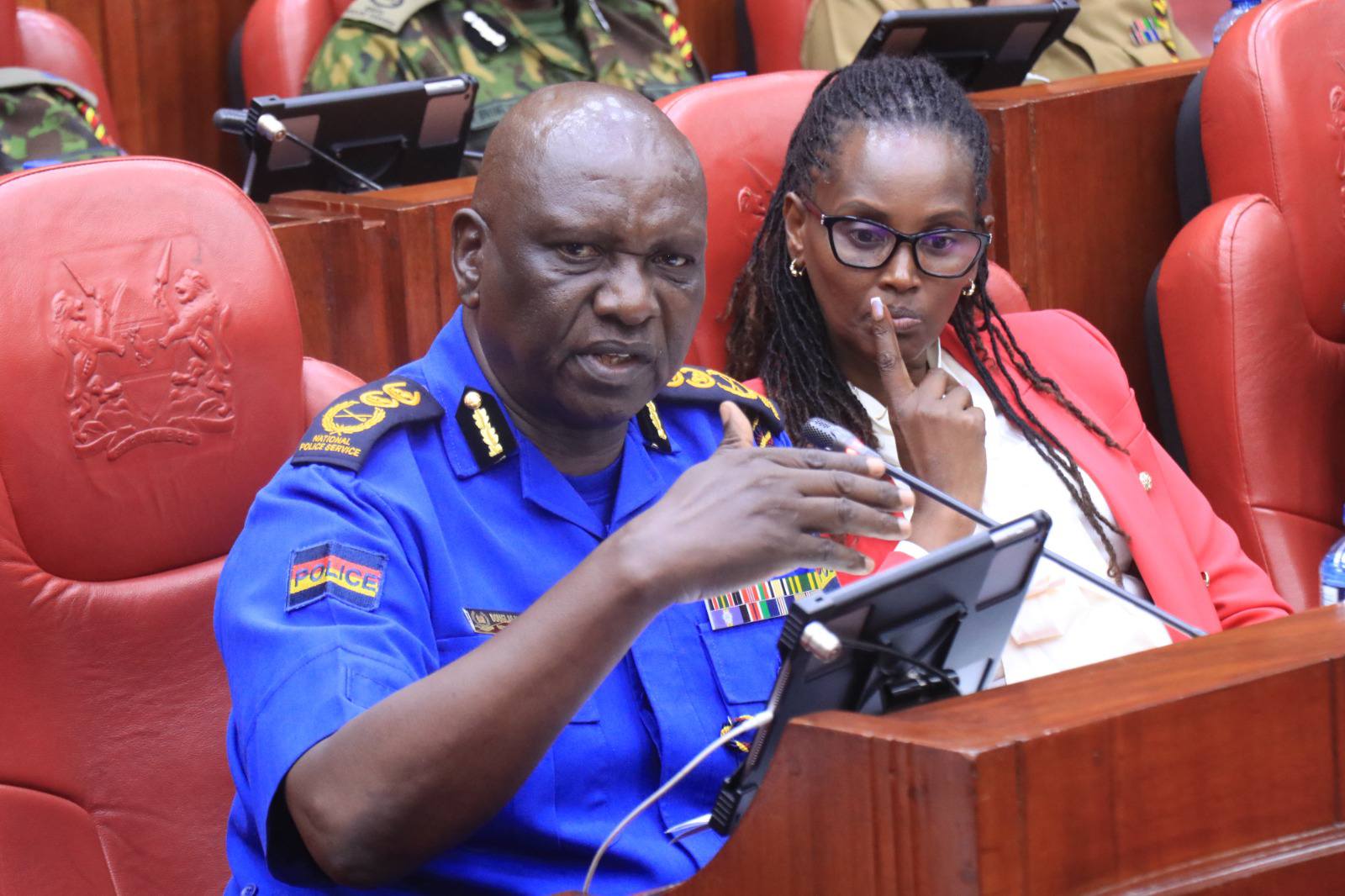
Appearing before the National Assembly’s Administration and Internal Security Committee Inspector-General of Police Douglas Kanja said the service requires at least Sh6.7 billion to undertake the recruitment exercise.
“The proposed allocation of Sh2.9 billion is insufficient. The lion’s share of those funds will go towards settling pending bills for operations of the 10,000 recruits currently under training,” said Kanja.
According to the budget estimates, the Treasury has allocated the NPS Sh143.19 billion for the next financial year. The allocation prioritises the recruitment of police officers, improvement of officers’ welfare and the modernisation of the police air wing.
However, Kanja warned that limited funding could slow down the government’s plan to increase police numbers and strengthen security operations across the country.
The Inspector-General also raised concerns over the state of the police air wing, revealing that only three out of the service’s nine aircraft are currently operational.
“We have three operational aircraft out of a total of nine and all of them require refurbishment,” he told MPs.
The NPS further appealed for increased funding to improve transport capacity, saying the shortage of operational vehicles continues to hamper police operations.
“On matters transport, we operate at 50 percent of our requirement,” said Kanja.
The service currently faces a deficit of 4,481 vehicles. Out of the 8,400 vehicles required, only 2,833 are operational while 1,066 remain grounded.
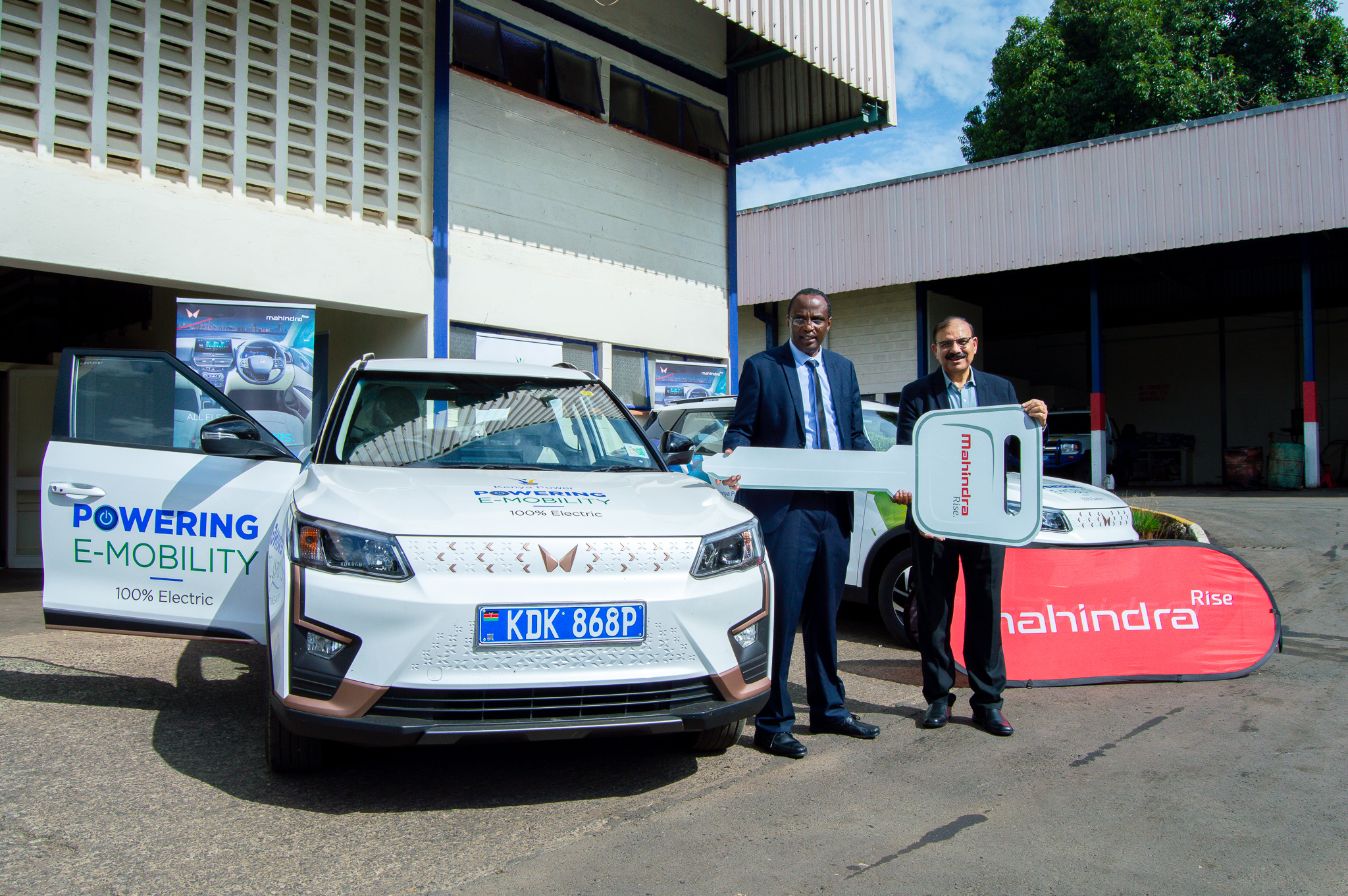
Mr Kanja also disclosed that the police service plans to gradually introduce electric vehicles, particularly for operations within urban centres, while diesel-powered vehicles will continue serving rural areas.
“We are moving towards electric motor vehicles, mostly for use in urban areas, then deploy diesel-powered vehicles to rural areas,” he said.