The Senate Committee on Energy has challenged the government to ensure residents of Bondo are not left behind as Kenya prepares to construct its first nuclear power plant, warning that public support for the project will depend on tangible benefits reaching the host community.
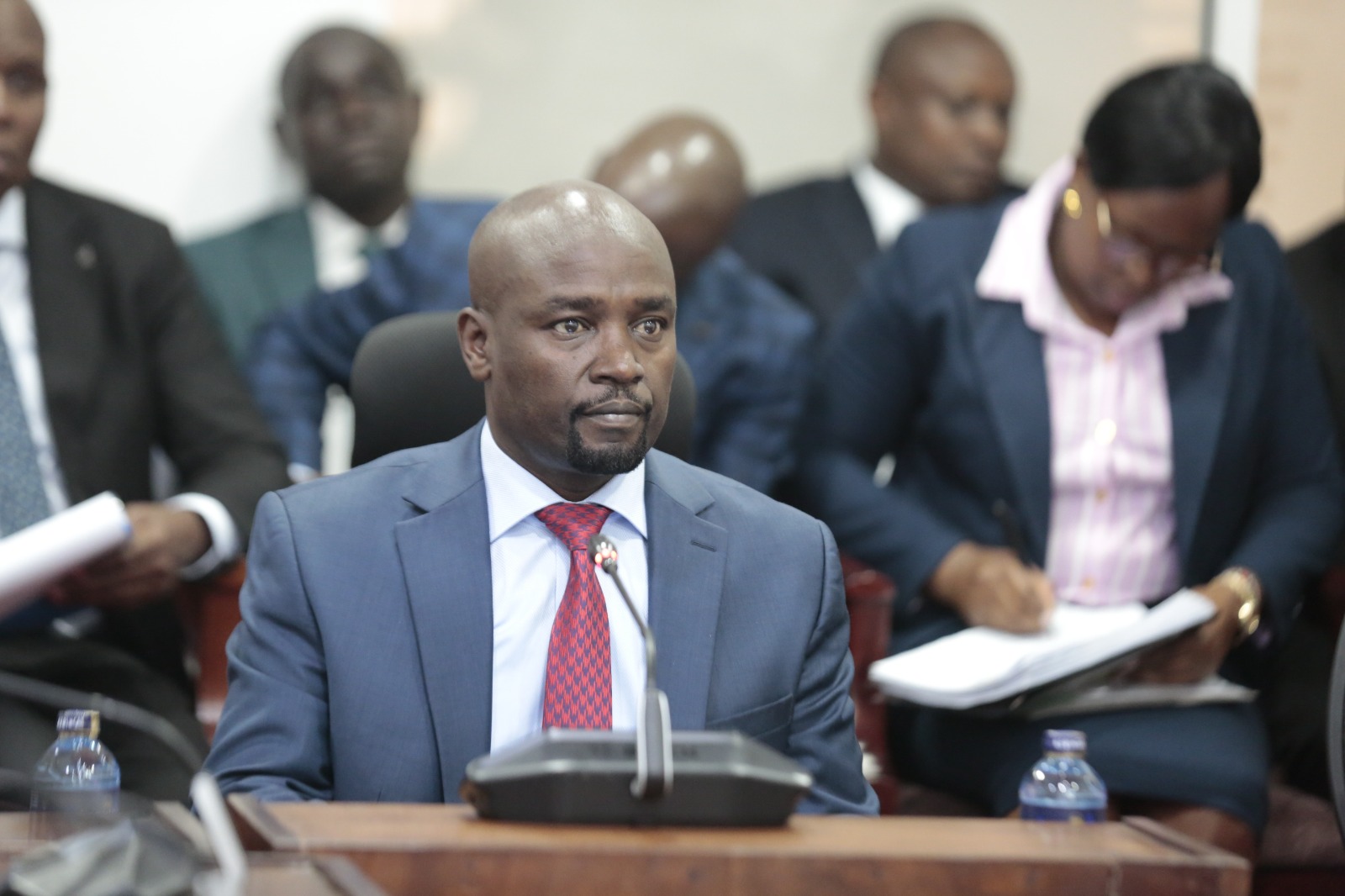
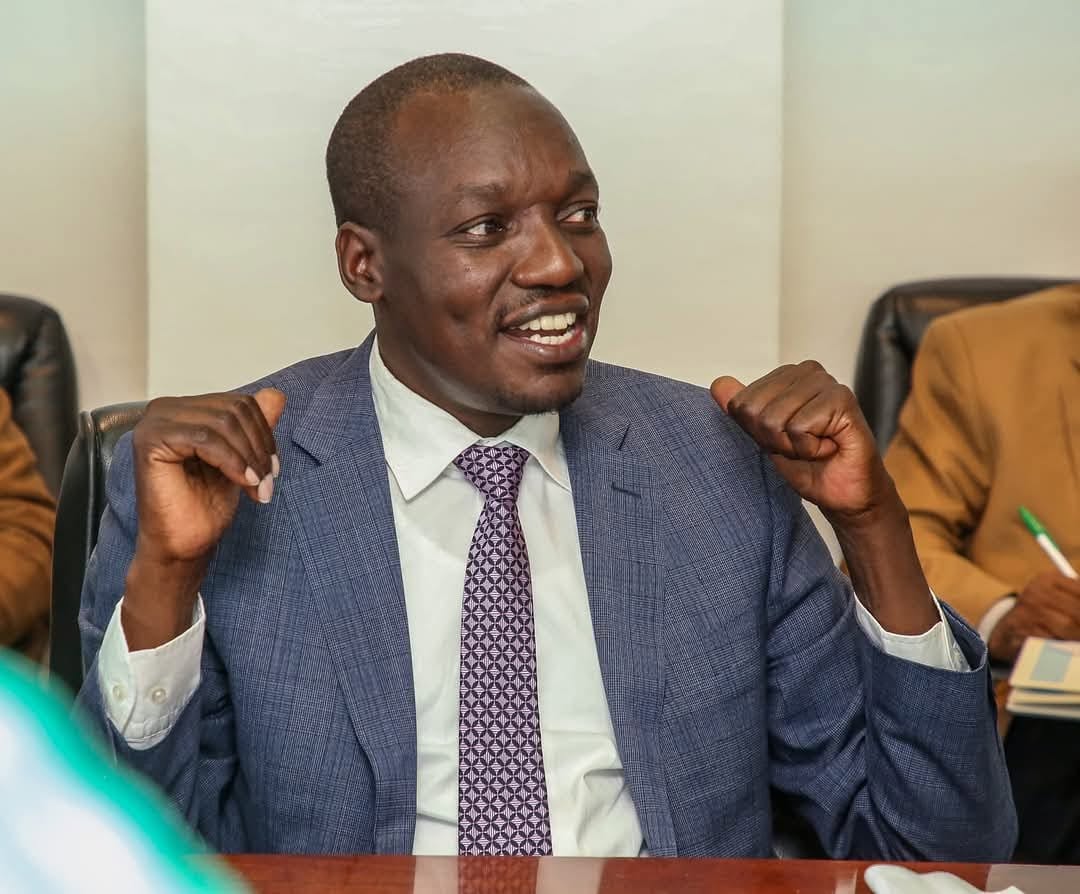
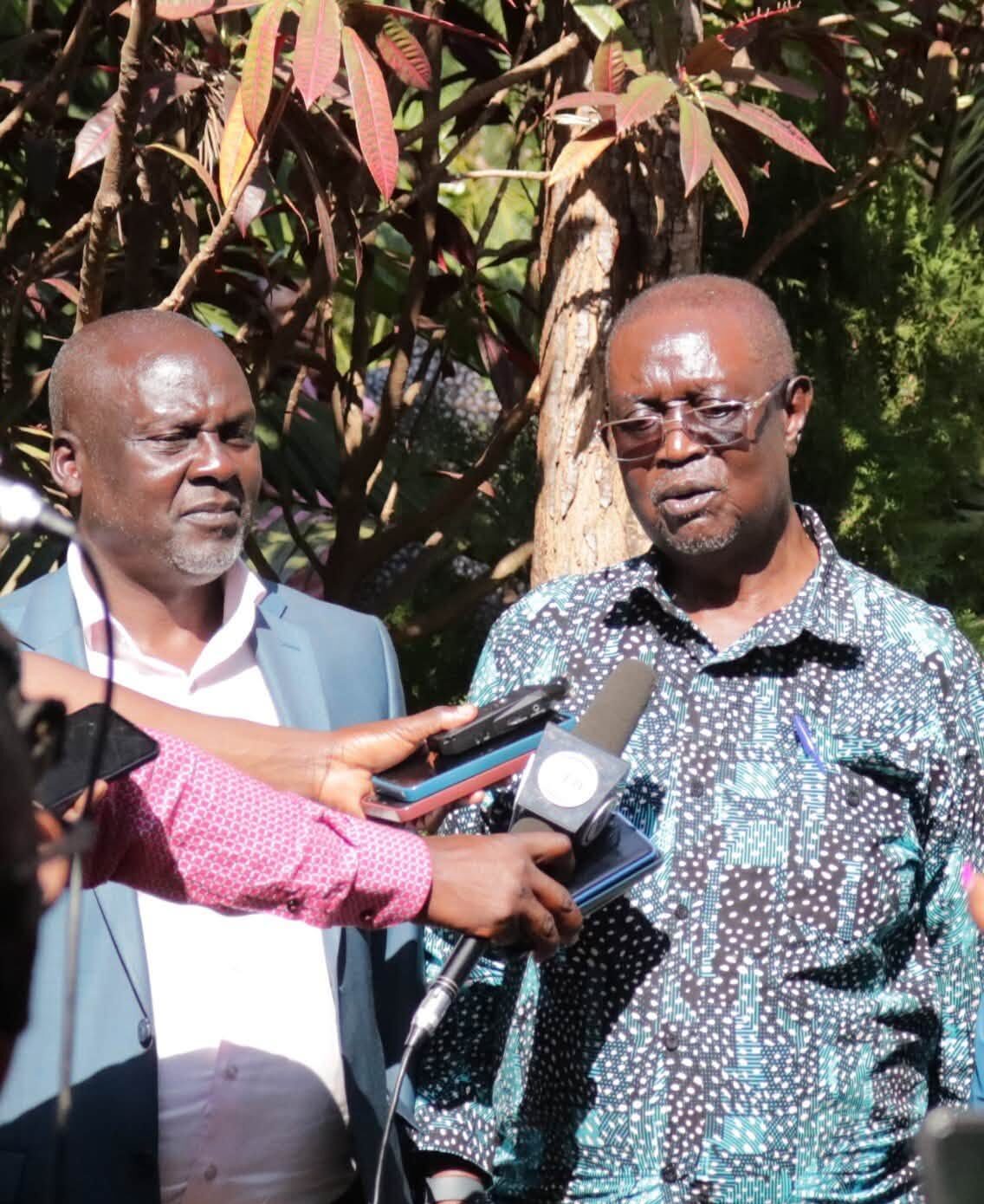
The Elgeyo Marakwet Senator William Kisang- led committee held engagements with officials from the Nuclear Power and Energy Agency (NuPEA and residents of Lenya and other local stakeholders to raise concerns about the proposed project.
A key concern raised by residents was whether the community would benefit directly from the electricity generated by the plant, given the area’s inadequate access to reliable power.
The community further sought clarity on land compensation, environmental concerns, livelihoods and other benefits expected from hosting the project.
Dr Ochanda, a resident said that residents wanted clear answers on what the project would deliver to them.
“Our people need to know what is in it for them,” he said, particularly pointing to electricity supply and the role of KenGen in ensuring that the host community benefits.
Nominated Senator Beatrice Ogolla warned that residents could not be expected to embrace a major energy project while continuing to lack electricity.
“It would be outrageous that we are talking to our people about power, when they don’t have power, and one of the things we will not allow is talking to people about power but they see the power being taken to other people.”
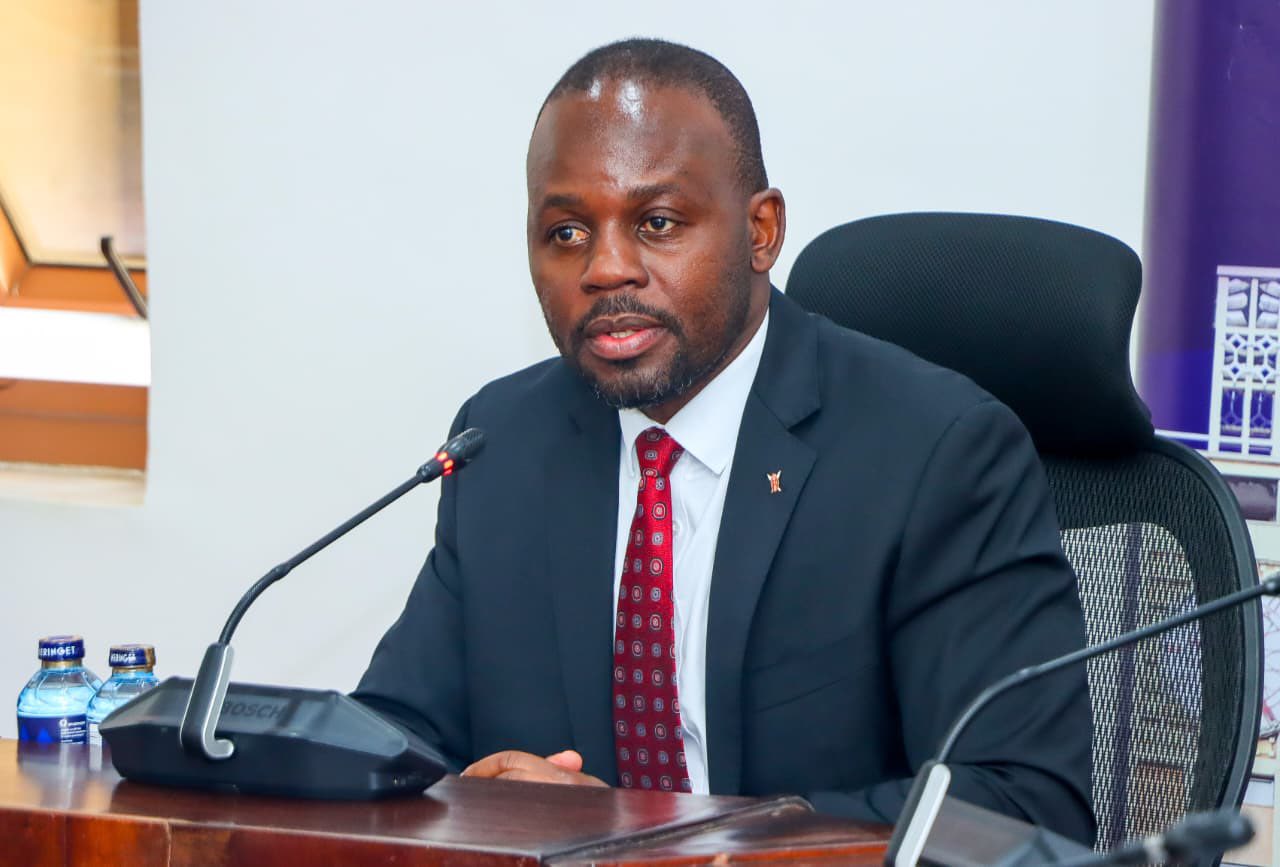
NUPEA Chief Executive Officer Justus Wabuyabo told the committee that Lenya Village had been identified as the preferred site for the country’s first nuclear power plant after extensive assessments of potential locations.
Wabuyabo sought to reassure residents over safety, saying advances in nuclear technology and stringent safeguards had significantly reduced risks.
“Today, a nuclear plant cannot leak because of the safeguards put in place,” he told the senators.
He said a 2,000-megawatt nuclear plant would require relatively little land compared with hydropower projects of similar capacity and could operate for about 100 years, with the initial investment potentially recovered in approximately 20 years.
Wabuyabo said NuPEA was ready to facilitate scientific tours for community representatives and opinion leaders to countries operating nuclear plants to help them understand the technology and benefits to host communities.
He said several milestones remained before construction, including land acquisition, environmental and social impact assessments, financing, vendor selection, licensing and institutional preparedness.
Senator Kisang, however, warned that time was running out ahead of the proposed March 2027 groundbreaking, with compensation yet to be completed.
“We are almost in September and March is fast approaching and compensation hasn’t been done,” he said.
Kisang urged political leaders in Siaya to rally behind the project but stressed that support would only be secured if residents understood its benefits.
“Before it takes place, we need to do enough and reach out to all leaders in this county to support the project,” he said.
“You also need to tell the community benefits of the project,” he told NuPEA.
He called for education opportunities, including scholarships, to be prioritised and questioned whether the Sh250 million set aside for land acquisition would be sufficient.
“With the Sh250 million, we need to be realistic because it is an amount which can be used for land acquisition but what about developments on those land?” he asked.
Ogolla urged NuPEA to intensify community engagement and accelerate compensation through the National Land Commission.
“As we move to March, buy-in must be very intense and progressive.There shouldn’t be a time that the people will see that you’re not engaging them.” she said.
She also asked whether NuPEA had a physical office where residents could raise concerns.
“Do you have physical office with officers where people can visit when they have issues?” she asked.
On compensation, she warned against holding a groundbreaking before affected residents were paid.
“Land compensation, we must hasten this process because it would be unfair that we are going to groundbreak and put some projects in a space which hasn’t been compensated and major projects in this country like dams have stalled for years because compensation processes haven’t been completed,” she said.
“Such projects can scuttle the groundbreaking and there are many people who will be happy to do that,” Senator Ogolla added.
Senator Lomenen drew lessons from oil exploration in Turkana, saying early fears surrounding the discovery were eased through sustained engagement.
“We were intoxicated by the fears of the unknown and the investors were very humble and took time to explain to us, to deal with every fear that we had,” he said.
He urged Bondo residents to use the engagement to raise their concerns.
“So God has created an opportunity and the government has created an opportunity to listen to the ground of Bondo, the ground of Lenya. So it’s our time, it is your time to talk to us.”
Siaya Senator Oburu Oginga said the nuclear project should benefit the wider region and Kenya, while warning against repeating mistakes witnessed in resource-rich countries.
“What we are discussing is a project for development. It’s not development for Bondo alone, it’s a project for our region, it’s a developmental project for Kenya and the world is going digital, the world is going nuclear and if you remain behind, you might not catch up with first-world countries,” he said.
He called for local employment and investment in schools, health facilities and other social amenities, while demanding safeguards on environmental and public health concerns.
“The interest of Kenyans must be taken care of and the pollution should also be looked at, the nuclear waste, all those issues should be discussed and taken care of carefully, so that we know that our people are safe health-wise,” he said.
The Bondo engagements exposed the delicate balance facing the government and NuPEA: building national support for nuclear energy while convincing the host community that it will not bear the costs without sharing in the benefits.