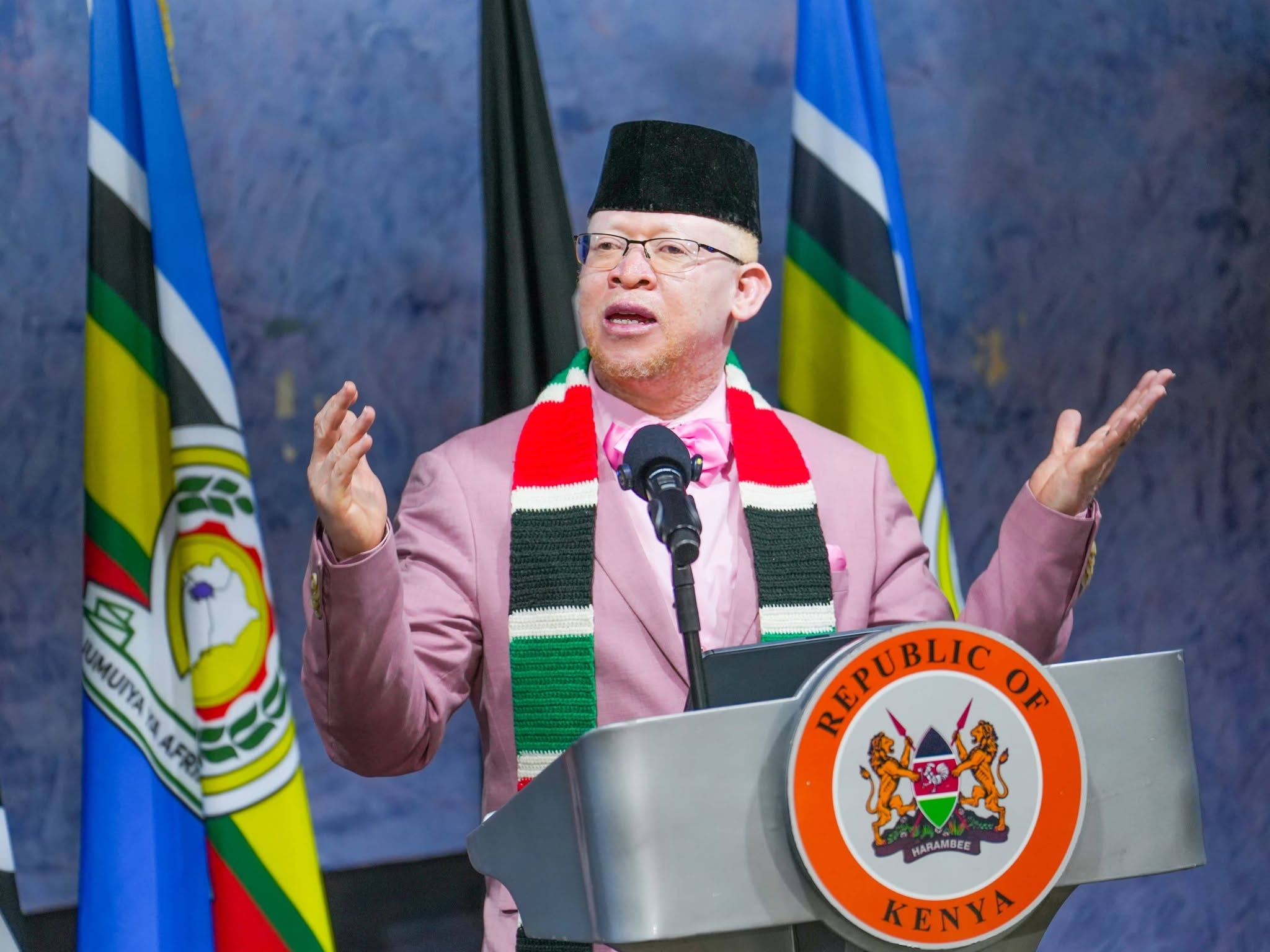
The government has outlined a broad range of national priorities ahead of the upcoming budget, while raising concern over rising school unrest, youth violence and public misinformation, in a comprehensive briefing delivered at Harambee Annex in Nairobi.
Speaking on Monday, June 8, Government Spokesman Isaac Mwaura urged Kenyans to closely follow the national budget presentation, describing it as a key policy document that will define the country’s development direction.
He said the budget will outline the government’s priorities in key sectors including education, health, agriculture, infrastructure and security, noting that it reflects the administration’s commitment to improving citizens’ livelihoods.
Mwaura emphasized that the budget is more than a financial statement, but a blueprint for development, and called on the public to remain engaged in order to understand how programmes and projects will be funded.
At the same time, the government expressed concern over a surge in student unrest across the country, warning that the trend signals deeper societal challenges.
Mwaura said the destruction of school property, disruption of learning and rising cases of indiscipline are becoming a worrying pattern that could reverse gains made in the education sector.
He noted that the unrest being witnessed in schools is not merely an education issue but a reflection of broader challenges facing families and society.
According to the spokesman, incidents of arson, violence and destruction of school facilities have become increasingly concerning, raising questions about the values and support systems available to young people.
He emphasized that schools must remain safe spaces for learning, free from fear and disruption.
The government is now urging parents to play a more active role in shaping the character of their children, stressing that discipline and responsibility are first instilled at home.
Mwaura pointed to substance abuse, peer pressure, social media influence and weakening family structures as contributing factors, warning that failure to act could lead to further erosion of values among young people.
He called for a national conversation on moral values, urging stakeholders including religious leaders, educators and policymakers to work together in nurturing responsible citizens.
The government also addressed the recent tragedy at Utumishi Girls Academy, assuring affected families of continued support.
Mwaura said authorities have mobilized resources to assist survivors, comfort bereaved families and investigate the circumstances surrounding the incident.
He reaffirmed the administration’s commitment to ensuring that students and families are supported throughout the recovery process.
Concerns were also raised over increasing cases of youth violence across the country.
Mwaura warned that unresolved social pressures and exposure to harmful influences are driving risky behaviour among young people, calling for stronger mentorship and mental health support programmes.
On the ongoing debate around the Finance Bill, the government cautioned against misinformation circulating online.
Mwaura said several claims on social media do not accurately reflect the contents of the bill, urging Kenyans to rely on official government channels and parliamentary records.
He warned that misinformation could create unnecessary anxiety, particularly on taxation and cost of living issues.
He added that Kenyans still have an opportunity to shape tax policies through public participation, encouraging stakeholders to submit their views before the legislative process concludes.
The government said proposed tax reforms are aimed at boosting investment and job creation.
Mwaura noted that the measures are designed to make Kenya a more competitive business destination while simplifying tax compliance.
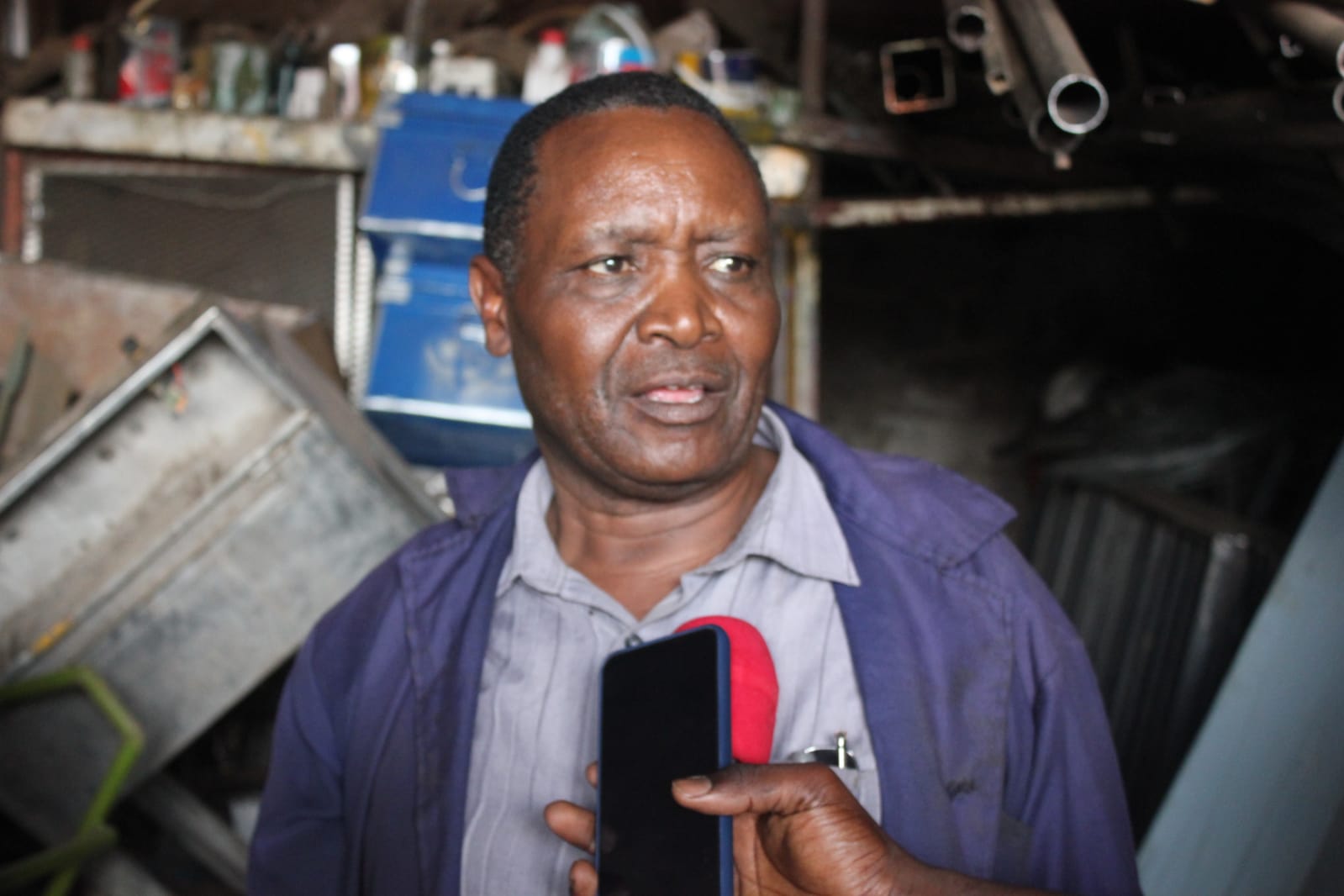
He added that the government is also tightening regulation of the scrap metal industry to curb vandalism of critical infrastructure, which has cost taxpayers billions.
Among the proposed changes is the removal of VAT on dialysis services, a move expected to ease the financial burden on thousands of patients battling kidney disease.
Mwaura said the plan is part of broader efforts to improve access to affordable healthcare.
Consumers could also benefit from reduced excise duty on bottled water, which is expected to lower retail prices and improve access to safe drinking water.
Mwaura highlighted the outcomes of President William Ruto’s recent State Visit to South Africa, saying it delivered significant agreements aimed at strengthening trade, security and regional integration.
He noted that the deals will open up new opportunities for Kenyan farmers, manufacturers and exporters, particularly in tea, coffee, horticulture and manufactured goods.
The visit also resulted in agreements on education, skills development and cultural exchange, including promotion of Kiswahili as a language of African unity.
On public health, the government said it has intensified Ebola preparedness measures amid outbreaks in neighbouring countries.
Mwaura revealed that more than 77,000 travellers have been screened at entry points, with health officials conducting risk assessments and monitoring symptoms.
He said surveillance systems have been strengthened and rapid response teams deployed across the country.
While noting that there is currently no Ebola case reported in Kenya, Mwaura disclosed that 37 people are under quarantine and being closely monitored.
Looking ahead to the budget, Mwaura said education will receive a significant share of funding to support teacher recruitment, infrastructure expansion and implementation of the Competency-Based Curriculum.
He added that fertilizer subsidies have also been allocated billions of shillings to boost agricultural productivity and enhance food security.
At the same time, the government has expanded its education oversight team to improve standards in schools.
Mwaura said the increase in quality assurance officers will strengthen monitoring, improve accountability and enhance learning outcomes nationwide.