The National Assembly’s Public Investments Committee on Commercial Affairs and Energy (PIC-CA&E) has questioned the Insurance Regulatory Authority (IRA) over the payment of Sh342.8 million to a law firm following a prolonged dispute over legal fees.
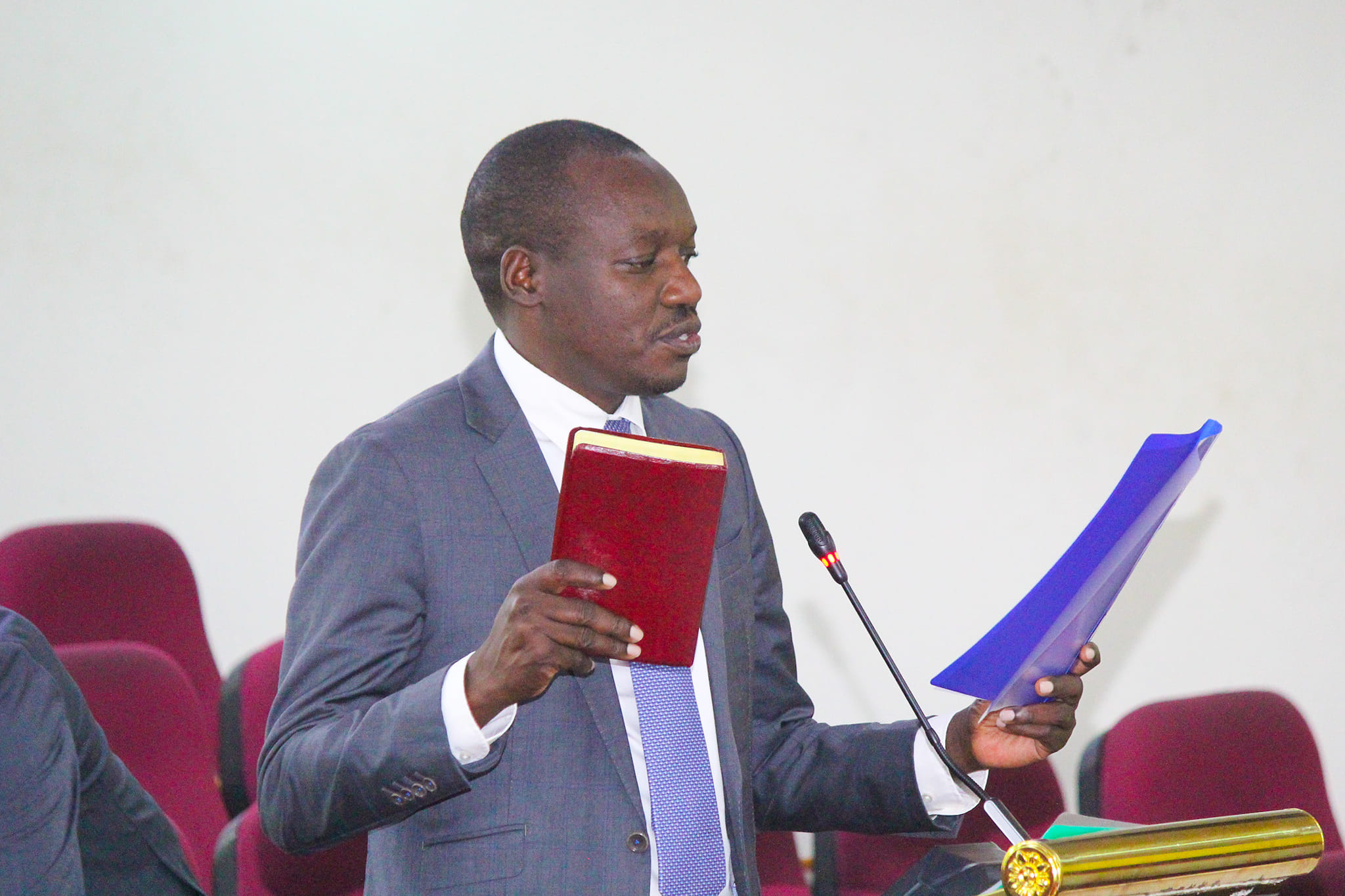
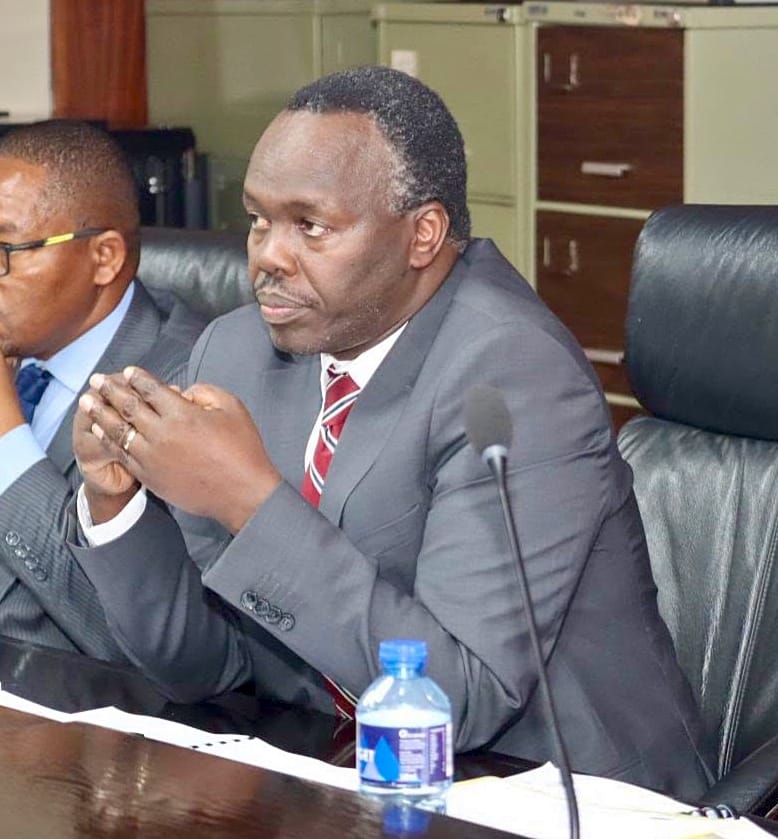
The Pokot South MP David Pkosing-led committee questioned how the law firm was allowed to represent IRA in court before the two parties had reached a final agreement on the legal fees.
The payment included Sh79.8 million in accrued interest arising from the delayed settlement of an earlier court award against the regulator.
The matter dates back to a legal dispute involving a liquidated insurance company that had sued IRA. According to the Auditor-General, IRA engaged the law firm to represent it in the case, but the two parties failed to agree on the final legal fees.
The law firm initially demanded Sh176.1 million, based on the value of the claim by the plaintiff. IRA, however, was only willing to pay Sh875,197, citing the audited financial statements of the liquidated insurance company.
The disagreement escalated into a three-year legal battle, with IRA unsuccessfully challenging the award and later losing its bid to obtain a stay of execution.
Efforts by IRA’s management and Board of Directors to resolve the dispute through mediation also failed, forcing the law firm to pursue enforcement through the courts.
The firm subsequently obtained garnishee orders against IRA, leading to the freezing and withdrawal of funds from the regulator’s bank accounts.
The law firm was initially granted orders for payment of Sh15 million from an IRA account before securing further court orders for the payment of the outstanding balance.
By May 2023, the advocate had collected Sh303.8 million through various court orders, prompting IRA to seek approval from the National Treasury for a supplementary budget to settle the contingent liability.
The Treasury granted the approval on May 29, 2023 but the lawmakers questioned why the law firm had been allowed to proceed with the case when there was allegedly no final contractual agreement governing the engagement.
Pkosing also sought to establish the role played by IRA’s internal legal department in the dispute and questioned the circumstances under which the external lawyers were engaged.
“My understanding is that an advocate moves to court after final instructions from the client, and that is what partly informs the contractual agreement between the two. How did this advocate begin representing you in court without an agreement?” posed Pkosing.
IRA Chief Executive Officer Godfrey Kiptum told the committee that the law firm had moved to court at the initial stages because of the urgency of the matter, even as negotiations over the contractual terms were ongoing saying the parties eventually failed to reach an agreement.
The committee has now demanded a detailed report from IRA on its framework for engaging external advocates, including the requirements for prequalification.
MPs also directed the regulator to provide a comprehensive report on the status and operations of its internal legal department, including the circumstances under which external legal services are procured.
IRA was further ordered to furnish the committee with details of the officials who were responsible for overseeing the contractual engagement between the law firm and the regulator at the time.
The inquiry puts fresh scrutiny on the regulator’s legal procurement processes and raises questions over how a disputed legal engagement escalated into a multimillion-shilling liability, with a significant portion of the final payment arising from accumulated interest.