The Energy and Petroleum Regulatory Authority (EPRA) is facing scrutiny over the fuel price increase announced on October 14, 2026, and audit queries concerning its Staff Mortgage and Car Loan Scheme, as lawmakers examine the regulator’s decisions and financial management.
The Special Funds Accounts Committee, chaired by Fatuma Mohammed, the Migori representative, questioned EPRA officials about the factors behind the fuel price adjustment and its implications for consumers, particularly following assurances by the President that fuel prices would not rise.
Members sought clarification on the adequacy of the explanations provided by the Authority, with particular concern over the effect of higher fuel prices on households and businesses already facing economic pressures.
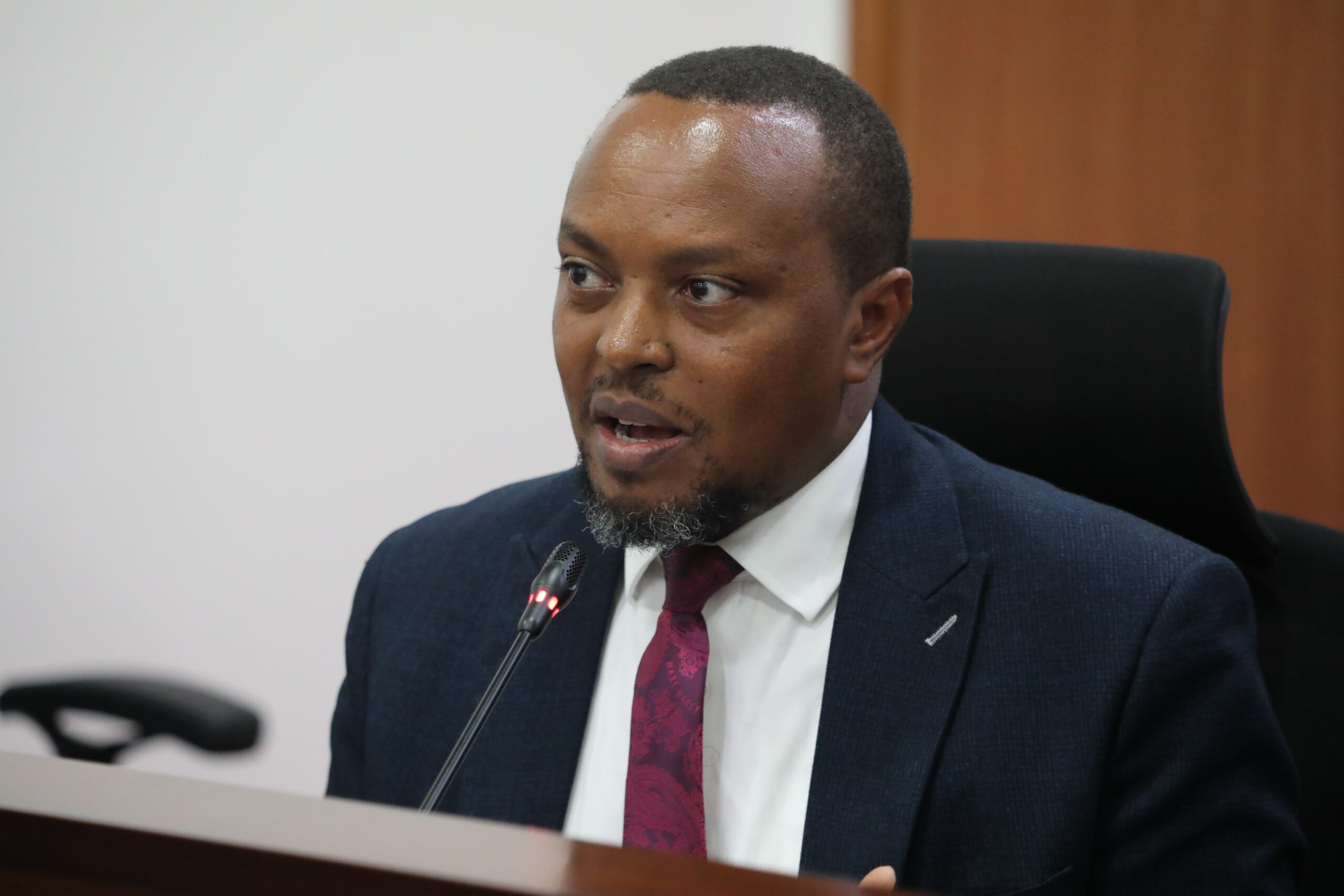
EPRA Director-General Edward Mwirigi attributed the increase to disruptions in global fuel supplies linked to the ongoing conflict in the Middle East, which has affected shipments from the Gulf region.
He explained that attacks on fuel infrastructure and vessels had disrupted supplies, forcing importers to seek alternative sources, including Singapore, where fuel was reportedly more expensive.
Mwirigi warned that prices could rise further during the winter season, depending on developments in the Middle East, adding that the Authority was closely monitoring the situation.
Mohammed sought to establish whether the public was aware of the supply disruptions, including reports that two fuel vessels had been bombed.
In response, Mwirigi said Saudi vessels had been targeted, contributing to the supply challenges facing Kenya. He maintained that the country’s fuel prices remained competitive compared with those of neighbouring countries despite the prevailing constraints.
The Director-General also said the Authority was exploring alternative energy sources, although transitioning from conventional petroleum products would be challenging given their widespread use.
Beyond the fuel-price concerns, the committee examined the Auditor-General’s reports on EPRA’s Staff Mortgage and Car Loan Scheme for the financial years 2021/2022 to 2024/2025.
The audit queries covered irregular interest charges, budgetary controls, loan administration costs, interest earned on loan deposits, construction loans advanced to staff and risk management.
In the 2021/2022 financial year, the Auditor-General questioned the four per cent interest rate charged on car loans, saying it was inconsistent with Salaries and Remuneration Commission guidelines that set the rate for car loans and mortgage schemes at three per cent per annum on a reducing balance.
The audit review found that the applicable rate was four per cent, raising concerns about compliance with the guidelines.
In its response, EPRA said it negotiated with the scheme administrator, Kenya Commercial Bank, over the administration costs that had previously been cited as a reason for the higher rate. The Authority said the interest rate on car loans was reduced to three per cent effective August 2022 through a second addendum to its agreement with the bank.
The committee also considered concerns about delays in formalising the scheme’s policy framework. EPRA said its Staff Mortgage and Car Loan Policy was approved by the Board in December 2023.
On budgetary controls, the Auditor-General raised concerns over the absence of an approved budget for interest income and administration costs in the 2023/2024 financial year. EPRA maintained that the scheme’s budget was approved by the Board and managed within the Authority’s consolidated budget.
Regarding construction loans, the Authority said funds were released in tranches, with progress reports and inspections undertaken before additional disbursements were made for subsequent stages of construction.
The committee is expected to consider the issues raised during the meeting and EPRA’s responses as it prepares its report on the Auditor-General’s findings for the four financial years under review.