
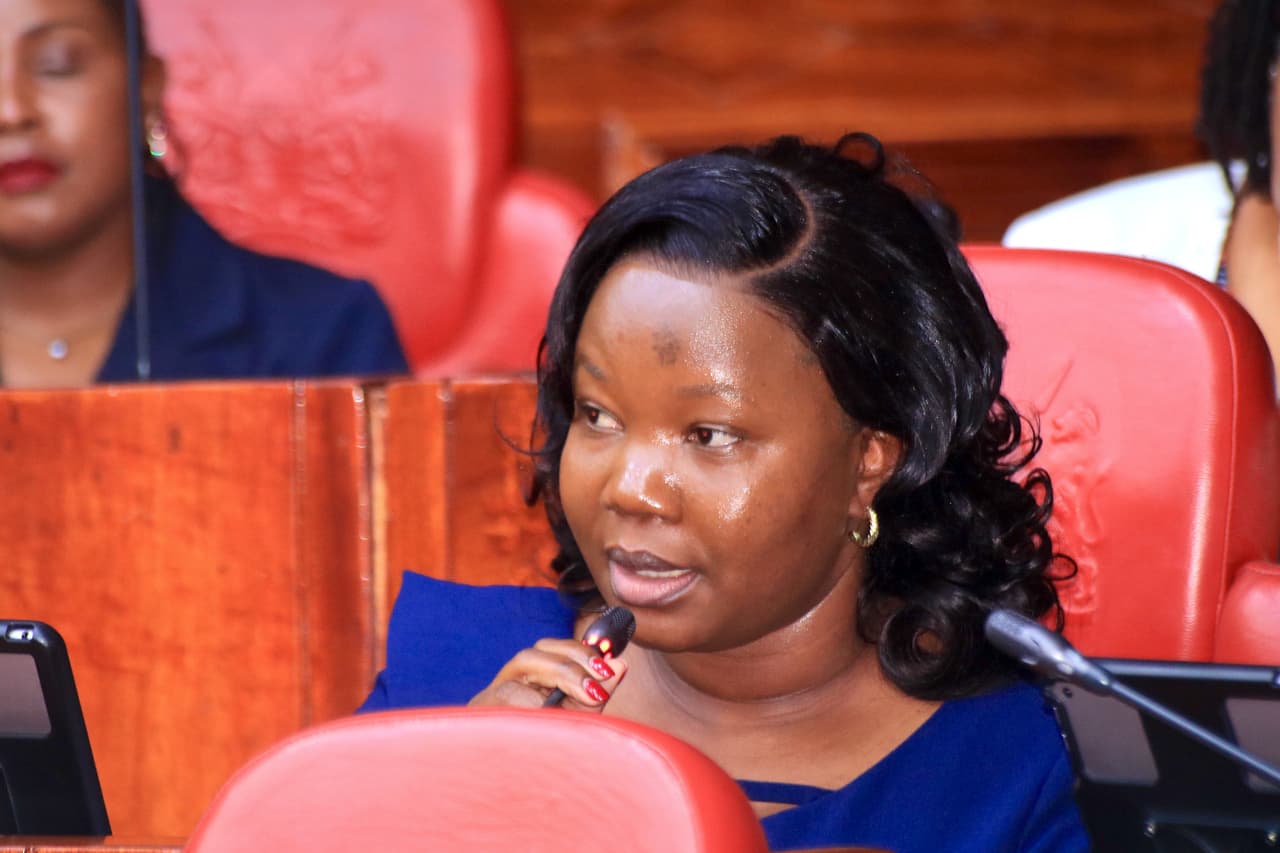
The Kenya Private Schools Association (KPSA) has asked Parliament to amend key provisions of the Basic Education Bill, 2026, warning that proposed regulations on school inspections, registration, infrastructure and data management could impose significant burdens on privately operated schools.
KPSA Chief Executive Officer Rose Eteye made the presentation during a stakeholder’s engagement with the National Assembly Committee on Education, chaired during the session by Mandera South MP Abdul Haro, as lawmakers considered reforms to the legal framework governing basic education.
Eteye told the lawmakers that, the Bill’s broader objectives, including strengthening quality assurance, learner protection, special-needs education, scholarships and bursaries, and education data management where she said, the regulation of private schools should remain proportionate, predictable and sensitive to the way privately financed institutions operate.
“Quality regulation must be strong, but proportionate, predictable, consultative and respectful of the lawful autonomy of privately established and financed schools,” the association said in its memorandum.
The most significant concern is Clause 65, which would give school inspectors powers to inspect premises, records and persons and, where appropriate and in consultation with the County Education Board, order a school closed until basic standards are met.
KPSA said closure was the most severe regulatory intervention because it could disrupt learners, employees and families and potentially damage a school even where a closure decision is later overturned.
Eteye presented the association’s proposal for a graduated enforcement process beginning with an inspection, written report and compliance notice, followed by a reasonable period for rectification and re-inspection before sanctions are imposed.
The association proposed that immediate closure be reserved for cases involving an imminent and serious threat to learners or staff.
“Except where an inspector reasonably believes that continued operation presents an imminent and serious threat to the health or safety of learners or staff, an institution shall not be closed unless it has first been served with a written compliance notice, afforded a reasonable period to remedy the identified breach, and re-inspected.”
KPSA also wants Parliament to prevent already registered schools from being subjected to blanket re-registration when the proposed law comes into force.
The association said the Bill should expressly preserve existing registrations and provide clear timelines for inspections, certification and appeals.
“A basic education institution holding a valid registration, licence, certificate or letter of authority immediately before commencement of this Act shall be deemed registered under this Act and shall not be required to make a fresh application solely by reason of commencement of this Act.”
On registration standards, Eteye told the committee that uniform requirements could disadvantage low-cost schools, urban institutions operating on smaller parcels of land, schools on leased premises and rural schools.
KPSA wants standards to reflect the level and category of an institution, its enrolment, location and programmes, while allowing the use of leased or shared facilities where learner safety and curriculum outcomes are maintained.
The association further sought clearer boundaries for Parents’ Teachers’ Associations in private schools.
While supporting parent participation, KPSA said PTAs should not acquire powers over fees, employment, procurement, borrowing, investment or ownership.
“For a private institution, the Parents’ Teachers’ Association shall perform consultative, welfare and community-support functions and shall not exercise proprietary, employment, procurement, fee-setting, borrowing or investment powers reserved to the proprietor or governing entity.”
The proposed legislation also requires heads of private comprehensive and senior schools to be registered under the Teachers Service Commission Act.
KPSA supports professional registration but wants the law to clarify that private schools remain the employers and appointing authorities for their heads. The association’s proposal is that TSC registration should serve as a professional eligibility requirement without transferring appointment, deployment or transfer powers to the Commission.
Eteye also presented KPSA’s position on scholarships and bursaries, arguing that eligible learners should not be excluded from public support simply because they attend registered private schools.
“An eligible learner shall not be denied a scholarship or bursary solely on the ground that the learner is enrolled in a registered private basic education institution.”
KPSA also supports the establishment of the Kenya Education Management Information System but wants its operation to comply with the Data Protection Act, 2019.
It has proposed safeguards on the collection, processing, storage and sharing of learner information and protection for schools when government information systems experience documented failures.
“The collection, processing, storage and sharing of information under this Part shall comply with the Data Protection Act, 2019. No institution shall be penalised for non-submission attributable to documented unavailability or failure of a Government information system where the institution submits within a reasonable period after restoration.”
Eteye told the committee that private-school operators should be involved in developing regulations that will determine how the new law is implemented.
KPSA has called for mandatory consultation before regulations affecting registration, infrastructure, inspections, staffing, data, special-needs education, scholarships and governance are introduced.
The association’s overall position is that private schools should remain subject to quality and learner-protection requirements while retaining legal certainty and operational autonomy.
“Private schools accept accountability for standards and learner welfare, but require legal certainty, due process and room to manage resources, staffing and investment responsibly.”
The Kenya Private Schools Association (KPSA) Chief Executive Officer Rose Eteye appeared before the National Assembly Committee on Education, chaired during the session by Mandera South MP Abdul Haro, in Parliament on September 25, 2026. PHOTO: DAVID BOGONKO NYOKANG’I